


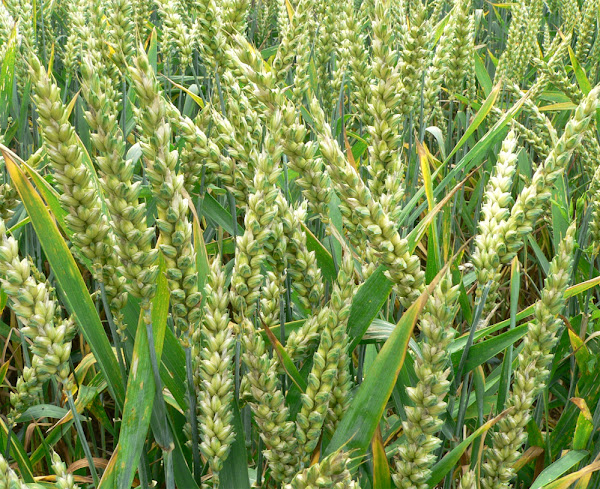
Wheat farmers in Gombe State are expressing deep concern over the severe impact of climate change on wheat cultivation, with many anticipating significantly poor harvests this season.
Mr. Bala Garba, Chairman of the Gombe Chapter of the Wheat Farmers Association, told reporters on Wednesday that numerous members are bracing for disappointing yields.
Garba explained that the effects of climate change are becoming increasingly unbearable for most wheat farmers, who typically grow the crop during the dry season (October to March) under irrigation.
“Many farmers are expecting poor harvests as harvesting begins, largely due to the delayed harmattan season this year,” he said.
“The situation threatens the future of wheat cultivation in the state. Many farmers who have recorded losses are already considering abandoning the crop entirely.
“This year, we did not experience the usual harmattan as we have in the past, which is essential for successful wheat production. Harmattan provides the cool, dry, and windy conditions that create an ideal environment for wheat under irrigation.
“But this year was different—we barely saw any harmattan until slightly in February—causing wheat farmers to suffer huge losses from poor yields.
“Over 2,000 wheat farmers who planted this season are lamenting because it is certain they will not recover their investments,” Garba added.
The chairman called on relevant stakeholders and government authorities to provide urgent support to wheat farmers to sustain and encourage future cultivation.
He appealed to both the state and federal governments to supply climate-resilient inputs—such as improved seeds, drought-tolerant varieties, and better irrigation support—to help farmers mitigate the growing effects of climate change on agriculture.
Garba further urged fellow farmers to adopt climate-smart agriculture practices and to consult extension services before planting to reduce losses linked to unpredictable weather patterns.
The complaints from Gombe wheat farmers highlight a broader challenge facing dry-season farming in northern Nigeria, where shifting harmattan patterns and rising temperatures are disrupting traditional irrigation-based production cycles and threatening food security and farmer livelihoods.
