


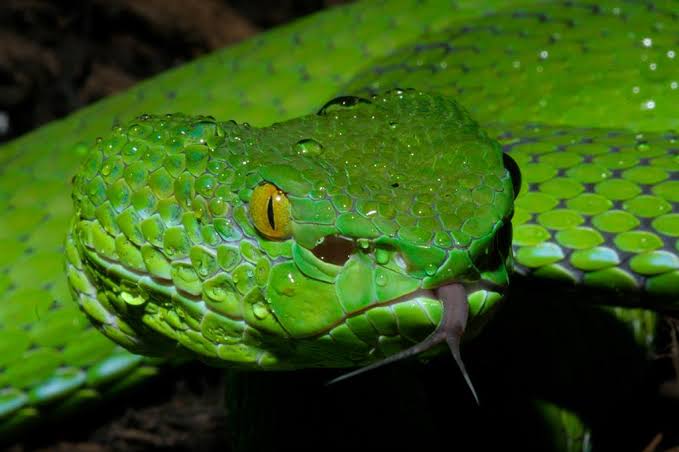
Dr Nuhu Bile, State Epidemiologist at the Gombe State Ministry of Health, says no fewer than 54 snakebite-related deaths have been recorded in the state in 2025.
Bile disclosed this on Tuesday in Gombe during a meeting of the State Public Health Emergency Management Committee (S-PHEMC).
The meeting, supported by UNICEF, was chaired by the Deputy Governor of Gombe State, Mr Manassah Jatau, who also serves as Chairman of the committee.
Presenting a summary of surveillance activities for 2025, Bile said that 1,591 snakebite cases were recorded at the Snakebite Hospital in Kaltungo during the period under review.
He said the 54 deaths accounted for 3.4 per cent of the total cases, while the remaining patients were treated and discharged.
According to him, the number of snakebite cases recorded in 2025 was the lowest in four years, compared with 2,794 cases in 2022, 2,594 in 2023 and 2,189 in 2024.
Bile explained, however, that the reduction did not indicate a decline in the burden of snakebite in the state, but was largely due to the lack of free and adequate anti-snake venom at the facility.
He said many victims had resorted to alternative treatment options because of the unavailability of free anti-snake venom, adding that most only present at hospitals when complications arise.
On other disease outbreaks, Bile said 176 cases of cholera were recorded in the state in 2025, with five deaths, while Lassa fever cases stood at 14, resulting in eight deaths.
Also speaking, Dr Jibril Muhammad, a consultant from the UNICEF Country Office in Abuja, said the meeting was part of UNICEF’s efforts to strengthen public health emergency preparedness and response across states.
Muhammad said the meeting brought together health officials from Gombe, Bauchi, Adamawa and Plateau states.
“This engagement is very important, especially given the ongoing disease outbreaks. Currently, more than five diseases in Nigeria have reached outbreak levels.
“Almost all 36 states and the FCT are battling one form of outbreak or another, with cholera being the most widespread,” he said.
He noted that Bauchi and Adamawa states had recorded significant cholera-related casualties, while commending Gombe State for its effective response to the outbreak.
According to him, Gombe’s success in managing cholera informed UNICEF’s decision to support knowledge-sharing among neighboring states.
Muhammad urged stakeholders to ensure the effective implementation of public health plans developed to address disease outbreaks and strengthen health systems.
