


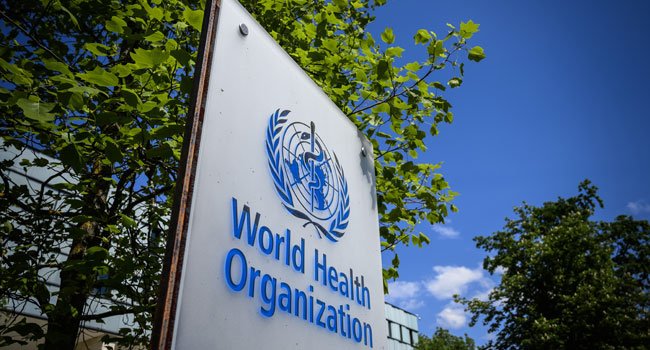
The World Health Organization (WHO) has released new guidance to help countries deal with the impact of sharp reductions in external health funding, which are disrupting essential health services in many low- and middle-income countries (LMICs).
The document, titled “Responding to the Health Financing Emergency: Immediate Measures and Longer-Term Shifts,” offers practical policy options to help governments sustain vital health services and strengthen domestic financing systems amid shrinking aid flows.
Funding Cuts Hit Health Services Hard
External health aid is projected to decline by 30–40% in 2025 compared to 2023. According to WHO’s March 2025 survey of 108 LMICs, funding cuts have led to reductions of up to 70% in critical services such as maternal care, vaccination, emergency preparedness, and disease surveillance.
Over 50 countries also reported health worker job losses and major disruptions in training programmes.
“Sudden and unplanned cuts to aid have hit many countries hard, costing lives and jeopardizing hard-won health gains,” said Dr. Tedros Adhanom Ghebreyesus, WHO Director-General.
“But in the crisis lies an opportunity for countries to transition away from aid dependency toward sustainable self-reliance, based on domestic resources.”
Health Spending as Investment, Not Cost
The new WHO guidance urges governments to treat health spending as a strategic investment in human dignity, stability, and economic growth.
It calls for immediate and long-term actions, including:
Prioritizing essential services for the poorest populations;
Protecting national health budgets;
Improving efficiency through better procurement and reduced overheads;
Integrating donor-funded services into national primary health care (PHC) systems; and
Using health technology assessments (HTA) to maximize health impact per dollar spent.
Nigeria, Ghana, and Others Take the Lead
Several African nations have already moved to safeguard their health systems:
Nigeria increased its health budget by US$200 million to cushion the impact of aid shortfalls and strengthen immunization and epidemic response.
Kenya and South Africa have proposed or approved additional health allocations.
Ghana lifted the cap on excise tax earmarked for its national health insurance agency, resulting in a 60% budget increase, and launched “The Accra Reset” — a new framework for global health financing reform.
Uganda has outlined policies to integrate health services and boost efficiency.
Building Sustainable Systems Through Global Partnerships
WHO said the guidance builds on its commitment to help countries strengthen universal health coverage (UHC) and resilient primary health systems.
It also aligns with World Health Assembly resolutions on “Strengthening Health Financing Globally” and “Economics of Health for All.”
To support countries in navigating this transition, WHO — in partnership with the Government of Japan and the World Bank — will launch a Universal Health Coverage (UHC) Knowledge Hub in December 2025 to provide technical support and peer learning opportunities.
