


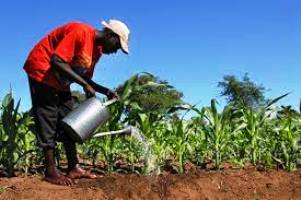
Definition: Climate-smart and sustainable farming refers to agricultural practices that increase productivity, enhance resilience to climate change, and reduce greenhouse gas emissions, all while conserving natural resources for future generations.
Key principles
- Increase productivity:
Use improved, high-yield and drought-tolerant seed varieties.
Apply soil-friendly inputs like organic manure, compost, and biofertilizers.
Use products like Super Gro to improve fertilizer and water use efficiency.
ALSO READ [EXPLAINER] The real secrets behind profitable avocado farming
- Enhance resilience:
Practice crop rotation and intercropping to maintain soil health.
Adopt rainwater harvesting and drip irrigation systems.
Grow climate-resilient crops suited to local conditions.
- Reduce emissions:
Minimize overuse of fertilizers and chemicals.
Encourage agroforestry (planting trees on farms).
Manage livestock waste properly to prevent methane buildup.
ALSO READ [EXPLAINER] Science behind the difference: DAP vs. NPK — Why your choice
- Conserve natural resources:
Protect soil from erosion through mulching and cover crops.
Reuse crop residues to enrich the soil.
Maintain biodiversity by planting diverse species
Benefits
Stable yields even under unpredictable weather.
Improved soil fertility and water retention.
Lower input costs through efficient resource use.
Long-term environmental and community health.
Example:
A maize farmer in Makueni practicing conservation tillage, using Super Gro with NPK, and planting drought-tolerant varieties—achieves better yields, saves water, and keeps soil fertile season after season.
