


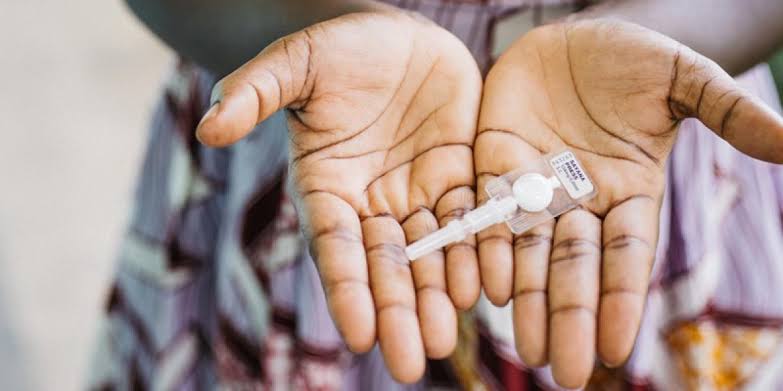
Health experts have urged Nigerians to see family planning not only as a means of limiting childbirth but as a strategy for spacing pregnancies, empowering women, and advancing sustainable development.
The experts spoke in Ibadan on Friday during the 2025 World Population Day (WPD), highlighting family planning as vital to improving maternal and child health outcomes, while also linking it to broader goals such as gender equality, reproductive rights, and accurate demographic data.
World Population Day, first observed in 1989 and celebrated every July 11, was established by the United Nations to raise awareness of population trends and their impact on development.
The theme for WPD 2025 is “Empowering young people to create the families they want in a fair and hopeful world.”
According to World Bank estimates, the global population has reached approximately 8.2 billion in 2025.
The Senior Registrar in the Department of Obstetrics and Gynaecology at the University College Hospital (UCH), Ibadan, Dr Olufiade Oyerogba stressed the link between reproductive health and national progress. She said access to modern contraceptives should be treated as a human right and a tool for informed decision-making.
“These reproductive rights are fundamental to any just and sustainable society,” she said, calling on government and policymakers to invest more in reproductive health services, including contraception, skilled birth attendants, and health education.
She also advocated for integrating comprehensive sexuality education into school curricula and extending health outreach to rural and underserved communities.
“Achieving gender equality and empowering women and girls is not optional. It is essential for economic growth, social stability, and environmental resilience,” she added.
Oyerogba called for uninterrupted access to education for girls, protection from child marriage and gender-based violence, and promotion of women’s participation in decision-making at home, in the community, and in government.
“Empowered women lead to healthier families, stronger economies, and more resilient communities,” she said.
She also warned that Nigeria’s lack of current population data posed a critical challenge to development planning.
“Without periodic censuses—at least every five years—how do we know how many hospitals we need to serve our growing population?” she asked.
Oyerogba called for collaboration with religious leaders, traditional rulers, and NGOs to help the government implement an accurate and inclusive census.
The South-West Regional Coordinator of the Planned Parenthood Federation of Nigeria (PPFN), Mrs Elizabeth Abimbola also emphasised the need for informed reproductive choices and open communication within families.
She encouraged families to discuss family planning and reproductive health openly with children from an early age. According to her, informed decisions on family size, spacing, and maternal health will lead to improved health outcomes.
“Family planning isn’t just about birth control; it’s about self-care, long-term well-being, and giving families a chance to thrive,” she said.
Abimbola also called for strong policy support, including access to safe abortion, contraception, and dedicated funding for Sexual and Reproductive Health (SRH) programmes.
She urged communities to take active roles in shaping SRH initiatives.
“Empowering women reduces gender-based violence and promotes a more equitable society,” she said. “Equality is not a favour—it’s a fundamental human right. Women’s empowerment is not just a women’s issue, it’s a societal issue.”
She concluded by urging leaders to listen to women’s voices and prioritise their perspectives in national planning.
