


The Lagos State Government (LASG) has officially begun enforcing its ban on single-use plastics (SUPs) under 40 microns statewide, effective July 1.
Commissioner for Environment and Water Resources, Mr. Tokunbo Wahab, announced the enforcement at a Tuesday news conference in Lagos.
He warned that any shop or market found storing or selling these prohibited items will be sealed, and the products confiscated.
“There will be no going back on the ban of single-use plastics less than 40 microns in Lagos State from July 1,” Wahab said. “Shops found storing or distributing these items will be sealed, items confiscated, and offenders prosecuted under Lagos environmental law.”
Wahab noted that the Ministry has conducted extensive awareness campaigns. Since banning styrofoam food containers in January 2024, the state announced plans in January 2025 to expand the ban to certain SUPs. A six-month grace period, which ended today, followed.
Despite opposition from some groups, Wahab affirmed that the timeline remains firm: “Many believed the government would yield to pressure and shift the date again. That will not happen.”
The commissioner stressed that the decision prioritizes residents’ safety and wellbeing—not profit motives. He assured that no jobs would be lost through the transition; instead, job creation would result as producers and distributors embrace safer, eco-friendly alternatives.
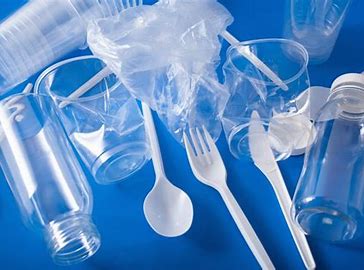
LASG clarified that it is not banning all plastics, but only specific items: styrofoam packs, plastic straws, disposable cups and cutlery, and lightweight nylon bags. These items pose significant environmental risks, including clogging drains, polluting ecosystems, and driving up cleanup costs.
“If, after the 18-month deadline, producers have not switched to alternatives, it means they do not intend to comply,” Wahab warned. “Lagos will not shirk its responsibility—this aligns us with best practices globally.”
He noted the negative impact of SUPs—especially in coastal drainage systems—and emphasized that funds currently spent on clearing plastic-clogged drains could be redirected toward more essential social services.
With this ban, Lagos aims to significantly reduce the volume of waste generated and lessen the burden on landfill sites across the state.
