


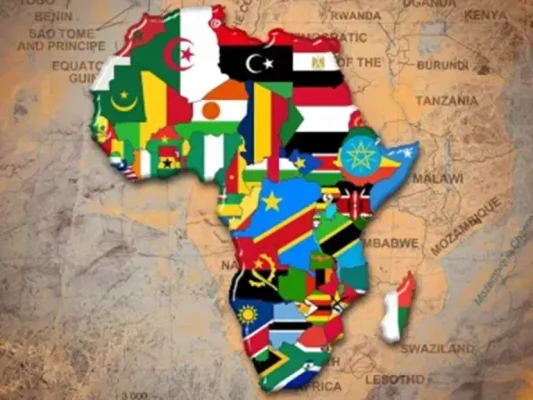
Africa, a continent abundant in natural resources and cultural diversity, continues to wrestle with a paradox: persistent conflicts amid aspirations for sustainable development. As peace initiatives struggle against the tide of political instability, insurgencies, and ethnic tensions, the question arises: How can Africa forge a path toward lasting peace and prosperity?
Hotspots of conflict in Africa
Across the continent, several regions remain embroiled in violent disputes:
- Sudan: Since April 2023, Sudan has been gripped by a devastating civil war between the Sudanese Armed Forces (SAF) and the Rapid Support Forces (RSF). The conflict has led to widespread humanitarian crises, internal displacement, and calls for international mediation.
- South Sudan: Despite its independence in 2011, South Sudan has faced continual unrest. In March 2025, renewed clashes in Malakal between the South Sudan People’s Defence Forces (SSPDF) and the Sudan People’s Liberation Army-In Opposition (SPLA-IO) resulted in over 180 deaths and displaced more than 125,000 people, undermining fragile peace agreements.
- Democratic Republic of Congo (DRC): The eastern DRC has seen a resurgence of violence as the M23 rebel group, allegedly backed by Rwanda, launched offensives capturing critical cities like Goma and Bukavu. This has exacerbated an already dire humanitarian situation.
- Sahel Region: Nations such as Mali, Burkina Faso, and Niger continue to endure increasing violence from jihadist groups. The Sahel region remains one of the world’s most volatile zones, where insurgencies, political instability, and climate change converge to fuel ongoing crises.
- Somalia: Al-Shabaab’s insurgency persists, despite international efforts. Trump-era military strategies, including drone strikes, partially curtailed terrorist activities, but instability endures, affecting broader regional security.
Trump’s post: Peace or political posturing?
Recently, former U.S. President Donald Trump claimed credit for helping to “settle violent wars and conflicts” in Africa through a post on Truth Social. While the post projects a narrative of successful U.S. engagement in Africa, it lacks specificity and concrete evidence linking its direct intervention to tangible peace efforts. Instead, his statement appears more aligned with political branding than with the complex realities on the ground.
The struggle between conflict and development
Persistent conflicts across Africa not only exact a humanitarian toll but also hinder development. Wars displace communities, destroy infrastructure, weaken state institutions, and deter foreign investment. In regions like the Sahel and the Horn of Africa, the twin crises of insecurity and poverty reinforce each other, creating cycles that are difficult to break.
However, there are glimmers of hope. Regional bodies like the African Union, alongside international partners, continue to push for conflict resolution and sustainable development. Peace agreements, though fragile, show that dialogue is possible. Furthermore, innovations in agriculture, technology, and education offer pathways for post-conflict recovery if given the right support.
Conclusion
Between conflict and development, Africa stands at a crossroads. The path to peace and prosperity will require inclusive governance, sustained international cooperation, and grassroots engagement. Leadership—both local and global—must rise above political posturing to address the root causes of violence and to empower African nations to realize their full potential.
The world must stay tuned—not just for political grandstanding but for genuine progress towards an Africa where peace and development are no longer competing aspirations but shared realities.
Abdallah is Editor-in-Chief at ASHENEWS. He can be reached at www.elkurebe@gmail.com
