

• Home
  • Agric
  • Sci & Tech
  • Health
  • Environment
  • Hausa News
  • More
    • Business/Banking & Finance
    • Politics/Elections
    • Entertainments & Sports
    • International
    • Investigation
    • Law & Human Rights
    • Africa
    • ACCOUNTABILITY/CORRUPTION
    • Hassan Gimba
    • Column
    • Prof. Jibrin Ibrahim
    • Prof. M.K. Othman
    • Defense/Security
    • Education
    • Energy/Electricity
    • Entertainment/Arts & Sports
    • Society and Lifestyle
    • Food & Agriculture
    • Health & Healthy Living
    • International News
    • Interviews
    • Investigation/Fact-Check
    • Judiciary/Legislature/Law & Human Rights
    • Oil & Gas/Mineral Resources
    • Press Freedom/Media/PR/Journalism
    • General News
    • Presidency
  • About Us
    • Contact Us
    • Board Of Advisory
    • Privacy Policy
    • Ethics Policy
    • Teamwork And Collaboration Policy
    • Fact-Checking Policy
    • Advertising
  • Media OutReach Newswire
    • Wire News
  • The Stories
Facebook Twitter Instagram
Trending
  • Abia govt approves new climate change policy, prioritises disability inclusion
  • World Hijab Day: Group seek review of NYSC uniforms
  • Libya deports undocumented Nigerian migrants
  • My husband asks for sex 8 times every night, woman tells court
  • Anambra seeks LG chairmen’s support for measles–rubella vaccination campaign
  • Librarians’ Council lauds Northwest varsity for establishing well-equipped library, e-library
  • LAWMA arrests cart pushers for illegal dumping on Lagos–Badagry expressway
  • Kaduna eliminates Trachoma as public health threat
Facebook Twitter Instagram YouTube
AsheNewsAsheNews
  • Home
  • Agric

    How Corteva Agriscience is boosting South Africa’s farming system

    January 31, 2026

    AI-driven project targets climate resilient crops for farmers in Africa

    January 31, 2026

    FG empowers 40 cooperatives with farm inputs in Yobe

    January 30, 2026

    Katsina to host 3,750 housing units, aquaculture project financed by COSMOS

    January 30, 2026

    ActionAid empowers 12,000 FCT farmers with agroecology skills

    January 30, 2026
  • Sci & Tech

    Expert urges federal govt to tackle multiple taxation in telecoms sector

    January 31, 2026

    Airtel Africa mobile money transactions top $210bn as subscribers hit 52m

    January 31, 2026

    Nigeria, KOICA partner to drive digital transformation in public service

    January 30, 2026

    NDPC leads Abuja roadshow to promote data protection awareness

    January 30, 2026

    NOTAP backs Nigerian developers to $1m sales

    January 29, 2026
  • Health

    Anambra seeks LG chairmen’s support for measles–rubella vaccination campaign

    January 31, 2026

    Kaduna eliminates Trachoma as public health threat

    January 31, 2026

    Kogi records milestone in fight against NTDs, halts treatment for Lymphatic filariasis

    January 31, 2026

    Bauchi introduces nutrition supplement to tackle child undernutrition

    January 31, 2026

    Bus crash En route to Bayelsa deputy gov burial leaves 2 dead

    January 30, 2026
  • Environment

    Abia govt approves new climate change policy, prioritises disability inclusion

    January 31, 2026

    LAWMA arrests cart pushers for illegal dumping on Lagos–Badagry expressway

    January 31, 2026

    YASIF, IBM train 15,000 Nigerian youths for green, digital economy

    January 31, 2026

    Kukah urges religious leaders to speak out against environmental exploitation

    January 31, 2026

    LASEMA holds retreat to honor responders, boost emergency preparedness

    January 31, 2026
  • Hausa News

    Anti-quackery task force seals 4 fake hospitals in Rivers

    August 29, 2025

    [BIDIYO] Yadda na lashe gasa ta duniya a fannin Ingilishi – Rukayya ‘yar shekara 17

    August 6, 2025

    A Saka Baki, A Sasanta Saɓani Tsakanin ‘Yanjarida Da Liman, Daga Muhammad Sajo

    May 21, 2025

    Dan majalisa ya raba kayan miliyoyi a Funtuwa da Dandume

    March 18, 2025

    [VIDIYO] Fassarar mafalki akan aikin Hajji

    January 6, 2025
  • More
    1. Business/Banking & Finance
    2. Politics/Elections
    3. Entertainments & Sports
    4. International
    5. Investigation
    6. Law & Human Rights
    7. Africa
    8. ACCOUNTABILITY/CORRUPTION
    9. Hassan Gimba
    10. Column
    11. Prof. Jibrin Ibrahim
    12. Prof. M.K. Othman
    13. Defense/Security
    14. Education
    15. Energy/Electricity
    16. Entertainment/Arts & Sports
    17. Society and Lifestyle
    18. Food & Agriculture
    19. Health & Healthy Living
    20. International News
    21. Interviews
    22. Investigation/Fact-Check
    23. Judiciary/Legislature/Law & Human Rights
    24. Oil & Gas/Mineral Resources
    25. Press Freedom/Media/PR/Journalism
    26. General News
    27. Presidency
    Featured
    Recent

    Abia govt approves new climate change policy, prioritises disability inclusion

    January 31, 2026

    World Hijab Day: Group seek review of NYSC uniforms

    January 31, 2026

    Libya deports undocumented Nigerian migrants

    January 31, 2026
  • About Us
    1. Contact Us
    2. Board Of Advisory
    3. Privacy Policy
    4. Ethics Policy
    5. Teamwork And Collaboration Policy
    6. Fact-Checking Policy
    7. Advertising
    Featured
    Recent

    Abia govt approves new climate change policy, prioritises disability inclusion

    January 31, 2026

    World Hijab Day: Group seek review of NYSC uniforms

    January 31, 2026

    Libya deports undocumented Nigerian migrants

    January 31, 2026
  • Media OutReach Newswire
    • Wire News
  • The Stories
AsheNewsAsheNews
Home»Health & Healthy Living»Can milk and calcium-rich foods reduce colorectal cancer risk?
Health & Healthy Living

Can milk and calcium-rich foods reduce colorectal cancer risk?

Abdallah el-KurebeBy Abdallah el-KurebeJanuary 28, 2025Updated:January 28, 2025No Comments6 Mins Read
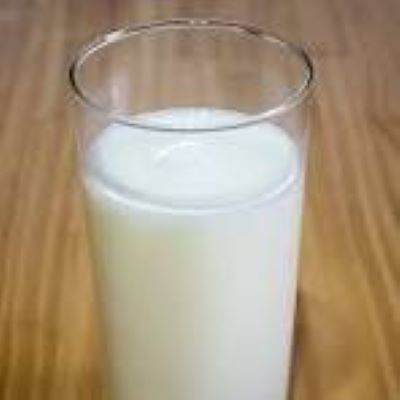
Image of glass of milk
Share
Facebook Twitter LinkedIn Pinterest Email
  • As of 2022, about 1.9 million people have been diagnosed with colorectal cancer.
  • Past studies show that lifestyle modifications, such as eating a healthy diet, can prevent bowel cancer.
  • A new study has found that consuming foods and drinks rich in calcium correlates with a lowered risk for colorectal cancer.
  • Researchers also further solidified the known risk of alcohol and red and processed meats consumption with higher colorectal cancer risk.

In 2022, about 1.9 million people around the world received a diagnosis of colorectal cancer, making it the third most common type of cancerTrusted Source globally. Also known as bowel cancer, this type of cancer can be prevented through screenings and lifestyle modifications, such as maintaining a healthy weight, not smoking, and following a healthy diet.

In 2022, about 1.9 million people around the world received a diagnosis of colorectal cancer, making it the third most common type of cancerTrusted Source globally.

Also known as bowel cancer, this type of cancer can be prevented through screenings and lifestyle modifications, such as maintaining a healthy weight, not smoking, and following a healthy diet.

Previous research has linked the consumption of certain foods and beverages — such as red and processed meats, ultra-processed foods, and alcohol — to an increased risk for bowel cancer.

Now, a new study published in the journal Nature CommunicationsTrusted Source has found that consuming foods and drinks rich in calcium is correlated with its lowered risk.

Researchers also further solidified the link between the consumption of alcohol and both red and processed meats with increased bowel cancer risk.

Upping daily calcium intake may lower colorectal cancer risk by 17%

For this study, researchers analyzed dietary data from more than 542,000 women who participated in the Million Women Study.

Scientists reviewed on average 16 years of medical data from each participant to search for links between 97 food products and nutrients to colorectal cancer risk.

Upon analysis, the researchers found a correlation between calcium intake and reduced colorectal cancer risk, especially with the following six dairy-related foods and nutrients and their association with calcium:

  • dairy milk
  • yoghurt
  • riboflavinTrusted Source
  • magnesium
  • phosphorus
  • potassium.

Researchers discovered that consuming an additional 300 milligrams (mg) of calcium each day, the equivalent of around 1 glass of milk, was associated with a 17% lowered risk for colorectal cancer.

“This is the most comprehensive single study ever conducted into the relationship between diet and bowel cancer, and it highlights the potential role of calcium in the development of this disease,” Keren Papier, BSc, PhD, a senior nutritional epidemiologist in the Cancer Epidemiology Unit in the Nuffield Department of Population Health at the University of Oxford, in the United Kingdom, and lead author of this study, said in a press release. Further research is needed to understand the potential health impacts of increasing calcium in different populations,” she added.

Alcohol, red and processed meat linked to higher bowel cancer risk

The same study identified further evidence of a link between alcohol consumption and increased colorectal cancer risk.

Scientists reported that an additional 20 grams (g) of alcohol — about 1 large glass of wine — was correlated with a 15% heightened risk for colorectal cancer.

The study also strengthened existing evidence about the association between the consumption of red and processed meat and bowel cancer risk, finding that 30 g more of these consumed each day increased a person’s cancer risk by 8%.

“Every 12 minutes, someone in the U.K. is diagnosed with bowel cancer, making it the fourth most common cancer in the country,” Lisa Wilde, PhD, director of Research and External Affairs at Bowel Cancer UK, who was not involved in this study, noted in a press roundup. We already know that around half of all bowel cancers could be prevented by having a healthier lifestyle and this new research supports this, with a particular focus on dairy,” she added.

Wilde further advised that:

“Other changes you can make to help reduce your risk of developing bowel cancer include eating plenty of fiber from whole grains, pulses, fruits, and vegetables, avoiding processed meat and limiting red meat, being a healthy body weight, taking part in regular physical activity, stopping smoking, and cutting down on alcohol. Making lifestyle changes can be a challenge, but we believe it’s worth the effort.”

Could healthier eating habits lower colorectal cancer risk?

Medical News Today spoke to Nilesh Vora, MD, a board-certified hematologist, medical oncologist, and medical director of the MemorialCare Todd Cancer Institute at Long Beach Medical Center in Long Beach, CA, about this study.

“I think that we’ve long been associating the intake that humans have with the potential development of [gastrointestinal] cancer, such as colon cancer. So I think it’s interesting [and] I think it’s in line with what we think is a potential problem,” Vora, who was not involved in this research, commented.

“I think there’s a growing notion that the reason why there’s an increasing incidence of colon cancer, especially amongst younger people, is because diets have changed,” he continued. “And all of this is still hypothesized, but studies like this, which could generate more research and more powerful studies, may be able to educate us in telling patients what they should and shouldn’t be eating to lower their risk of colon cancer.”

How to get more calcium in your diet if you’re dairy-free

MNT also spoke with Monique Richard, MS, RDN, LDN, a registered dietitian nutritionist and owner of Nutrition-In-Sight, for tips on how to get more calcium in your diet, especially if your diet is dairy-free.

“It is correct that a cup of milk provides 300 mg of calcium,“ she told us, “but a variety of foods, high in quality, specifically leafy greens, such as collard greens, mustard greens, spinach, and lesser-known vegetables, such as cooked nettles, lambsquarters, amaranth leaves, and nopales provide close to 300 mg of calcium per cup in addition to fiber, potassium, vitamin C, B vitamins, vitamin K, and magnesium to name a few additional beneficial nutrients.”

“For those who are lactose-intolerant or choose not to consume dairy for religious, preferential or personal reasons, additional food options to consider include exploring tofu, fortified orange juice or almond milk, soy milk, sardines, nuts, or tahini to your meals,” she advised.

“It is important to understand that the nutrients related to reducing colorectal risk, such as calcium, phosphorus, potassium, and riboflavin are not solely related to dairy,“ Richard further explained. “There are multiple studies who have observed populations around the world with minimal or nonexistent dairy intake but also a reduced cancer risk while having robust bone health.”

“Practice addition by subtraction — meaning, your cells will benefit from what it doesn’t have to fight against [such as] toxins, excess nutrients,” she said. “Add more of what will nurture them and boot out what won’t. For many individuals, reducing the risk for colorectal cancer starts with what we choose to put in our mouths.”

By Corrie Pelc

Culled from MedicalNewsToday

calcium-rich foods colorectal cancer milk
Share. Facebook Twitter Pinterest LinkedIn WhatsApp Reddit Tumblr Email
Abdallah el-Kurebe
  • Website
  • Facebook
  • Twitter
  • LinkedIn

Related Posts

Anambra seeks LG chairmen’s support for measles–rubella vaccination campaign

January 31, 2026

Kaduna eliminates Trachoma as public health threat

January 31, 2026

Kogi records milestone in fight against NTDs, halts treatment for Lymphatic filariasis

January 31, 2026

Leave A Reply Cancel Reply

Abia govt approves new climate change policy, prioritises disability inclusion

January 31, 2026

World Hijab Day: Group seek review of NYSC uniforms

January 31, 2026

Libya deports undocumented Nigerian migrants

January 31, 2026

My husband asks for sex 8 times every night, woman tells court

January 31, 2026
About Us
About Us

ASHENEWS (AsheNewsDaily.com), published by PenPlus Online Media Publishers, is an independent online newspaper. We report development news, especially on Agriculture, Science, Health and Environment as they affect the under-reported rural and urban poor.

We also conduct investigations, especially in the areas of ASHE, as well as other general interests, including corruption, human rights, illicit financial flows, and politics.

Contact Info:
  • 1st floor, Dogon Daji House, No. 5, Maiduguri Road, Sokoto
  • +234(0)7031140009
  • ashenewsdaily@gmail.com
Facebook Twitter Instagram Pinterest
© 2026 All Rights Reserved. ASHENEWS Daily Designed & Managed By DeedsTech

Type above and press Enter to search. Press Esc to cancel.