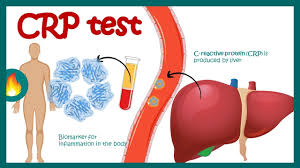
| Inflammation is the body’s natural response to injury or illness, but not all inflammation is the same. Blood tests like CRP Quantitative (CRP Quant) and CRP Cardiac (hs-CRP) help doctors identify and monitor inflammation, yet they serve different purposes. Understanding these tests can provide insights into your health, especially if you’re concerned about chronic inflammation or cardiovascular disease. What Is CRP? C-reactive protein (CRP) is a substance produced by the liver in response to inflammation. Elevated levels of CRP in your blood indicate that your body is fighting something—whether it’s an infection, injury, or a chronic condition. However, the sensitivity and focus of CRP testing vary, depending on whether you undergo a CRP Quant or a hs-CRP test. What Is CRP Quantitative? CRP Quantitative, commonly called CRP Quant, is a test designed to measure general inflammation in the body. It’s particularly useful for detecting: Acute infections (e.g., bacterial or viral infections). Autoimmune conditions like rheumatoid arthritis or lupus. Chronic inflammatory diseases such as inflammatory bowel disease (IBD). CRP Quant is less sensitive to low-grade inflammation, focusing instead on moderate to high levels. For example, a CRP Quant test might be ordered if you’re showing signs of a severe infection or flare-ups of an autoimmune disease. What Is CRP Cardiac (hs-CRP)? On the other hand, CRP Cardiac, also known as high-sensitivity CRP (hs-CRP), measures very low levels of inflammation. It’s primarily used to assess your risk of cardiovascular disease (CVD). Even subtle inflammation can play a role in the development of atherosclerosis, the buildup of plaque in your arteries that increases the risk of heart attacks and strokes. The hs-CRP test is most useful in evaluating your long-term heart health: Low Risk: hs-CRP < 1.0 mg/L Moderate Risk: hs-CRP 1.0–3.0 mg/L High Risk: hs-CRP > 3.0 mg/LDoctors often use this test alongside cholesterol levels and other markers to provide a comprehensive picture of your cardiovascular risk. Key Differences Between CRP Quant and CRP Cardiac Purpose Detects general inflammation Assesses cardiovascular risk Sensitivity Moderate to high levels Very low levels of CRP Applications Infections, autoimmune diseases, acute conditions Heart disease, low-grade chronic inflammation Range A broad range, not for subtle changes Narrow range for precise cardiovascular analysis Which Test Do You Need? Your doctor will determine which test is appropriate based on your symptoms and medical history: If you have signs of infection or autoimmune disease, you’re likely to undergo a CRP Quant test. If your focus is on heart health or long-term inflammation related to cardiovascular disease, a hs-CRP test is the better choice. Why Does It Matter? Monitoring inflammation is critical for managing your health. Chronic inflammation can silently contribute to serious conditions like heart disease, while acute inflammation often signals something your body needs to address immediately. Understanding these tests empowers you to take proactive steps toward managing both. Final Thoughts Inflammation is a complex process, and no single test can tell the whole story. However, CRP Quantitative and CRP Cardiac (hs-CRP) provide valuable insights tailored to different health concerns. Whether you’re tackling an autoimmune condition or assessing your heart health, these tests can guide you and your healthcare provider toward better care. HealthMatters.io |
Understanding the Difference Between CRP Quantitative and CRP Cardiac (hs-CRP)