


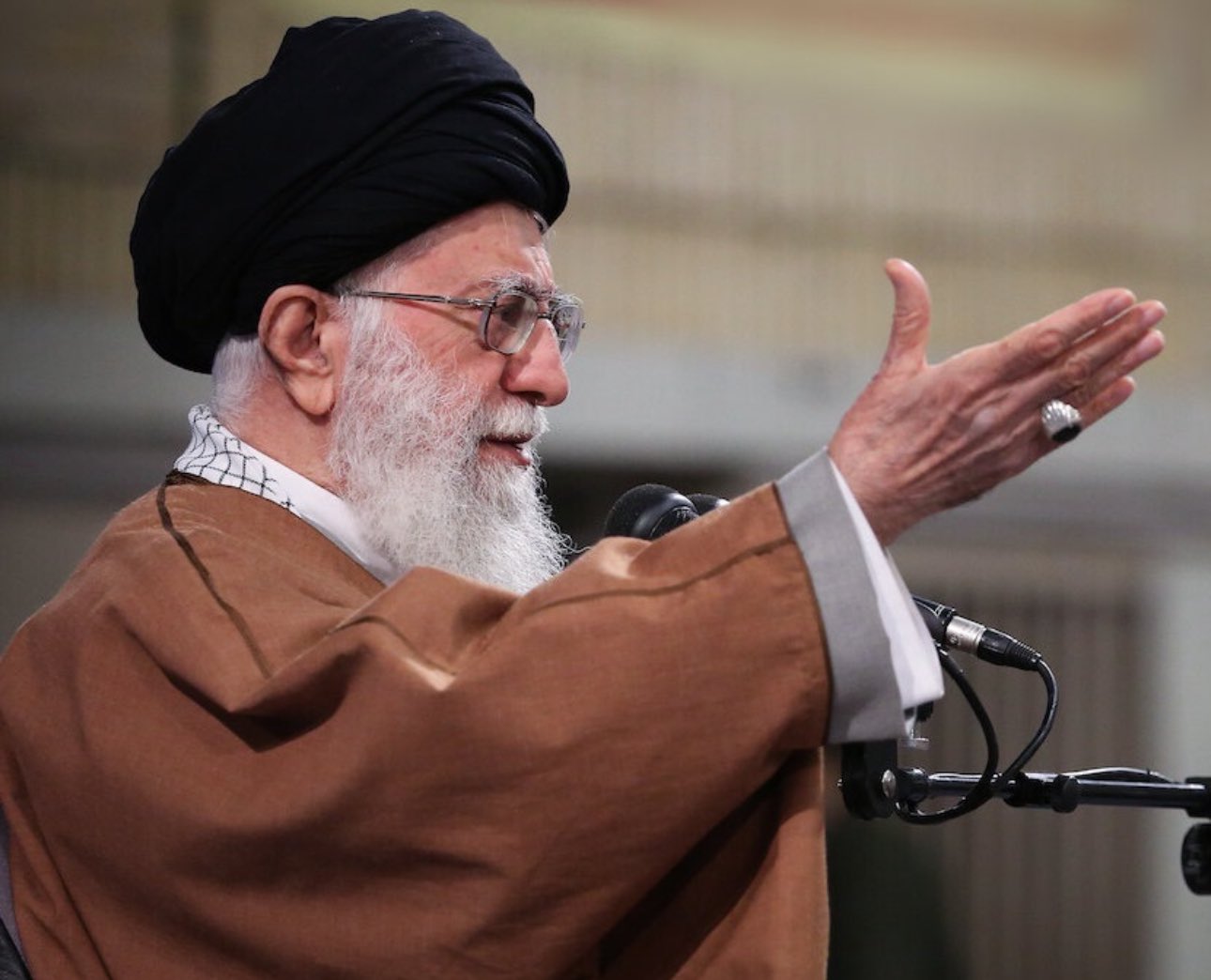
Israel allegedly infiltrated Iran’s traffic camera network over several years to monitor the movements of Iran’s Supreme Leader, Ayatollah Ali Khamenei, and other top officials ahead of his assassination.
This was disclosed in a report by the Financial Times, which cited Israeli intelligence sources.
According to the newspaper, nearly all traffic cameras across Tehran were compromised, with footage encrypted and transmitted to servers in Tel Aviv and southern Israel. The operation reportedly formed part of a wider intelligence architecture combining cyber intrusions, human assets and advanced data analytics.
One serving Israeli intelligence official was quoted as saying the depth of surveillance enabled analysts to identify even slight deviations in daily routines. “We knew Tehran like we know Jerusalem,” the official reportedly said.
The report indicated that a specific camera provided a strategic vantage point of where security aides and drivers attached to senior officials parked their vehicles. This allowed intelligence officers to build a comprehensive “pattern of life” assessment around Pasteur Street in Tehran — home to key government institutions and the location where Khamenei was killed.
ALSO READ Khamenei’s eldest son, Mojtaba selected as Iran’s new supreme leader
The surveillance campaign was said to have integrated multiple intelligence channels, including Israel’s elite cyber warfare unit, Unit 8200, and operatives recruited by the Mossad. Data was reportedly processed by Israeli military intelligence into daily operational briefs.
Algorithms were allegedly deployed to analyse detailed security dossiers, capturing information such as home addresses, duty rosters, travel routes and assigned protectees of key personnel.
On the day of the strike, Israel was also said to have disrupted selected mobile phone towers near the compound, preventing members of Khamenei’s protection team from receiving warning calls.
The real-time intelligence stream reportedly supported coordination between Israeli operatives and the Central Intelligence Agency in determining the timing of a Saturday morning meeting at Khamenei’s office — a window officials considered strategically advantageous to strike alongside other senior Iranian figures.
Ayatollah Ali Khamenei, 86, who had ruled Iran since 1989, was killed on Saturday, February 28, 2026, following a series of coordinated strikes reportedly carried out by the United States and Israel. He was said to have been assassinated at his office in Tehran.
The operation followed months of stalled nuclear negotiations between Washington and Tehran.
In retaliation, Iran reportedly launched strikes in the United Arab Emirates, Qatar, Bahrain and Saudi Arabia, escalating tensions across the region.
The hacking claims emerge amid longstanding allegations of cyber espionage between the two countries. Last year, Bloomberg reported that Iran had accessed private security cameras in Israel to obtain real-time intelligence. After Iranian missile attacks on high-rise buildings in Tel Aviv, a former Israeli cybersecurity official urged residents to switch off home surveillance cameras or change default passwords.
Cybersecurity experts have consistently warned that many surveillance systems remain exposed due to weak passwords, outdated firmware and poor installation standards.
A separate report by US cybersecurity ratings firm BitSight found that thousands of cameras worldwide were streaming online without password protection or adequate safeguards, leaving them vulnerable to unauthorised access.
