

• Home
  • Agric
  • Sci & Tech
  • Health
  • Environment
  • Hausa News
  • More
    • Business/Banking & Finance
    • Politics/Elections
    • Entertainments & Sports
    • International
    • Investigation
    • Law & Human Rights
    • Africa
    • ACCOUNTABILITY/CORRUPTION
    • Hassan Gimba
    • Column
    • Prof. Jibrin Ibrahim
    • Prof. M.K. Othman
    • Defense/Security
    • Education
    • Energy/Electricity
    • Entertainment/Arts & Sports
    • Society and Lifestyle
    • Food & Agriculture
    • Health & Healthy Living
    • International News
    • Interviews
    • Investigation/Fact-Check
    • Judiciary/Legislature/Law & Human Rights
    • Oil & Gas/Mineral Resources
    • Press Freedom/Media/PR/Journalism
    • General News
    • Presidency
  • About Us
    • Contact Us
    • Board Of Advisory
    • Privacy Policy
    • Ethics Policy
    • Teamwork And Collaboration Policy
    • Fact-Checking Policy
    • Advertising
  • Media OutReach Newswire
    • Wire News
  • The Stories
Facebook Twitter Instagram
Trending
  • Aid cuts to HIV/AIDS programmes could reverse gains, put Nigerian youths at risk – expert
  • Singer Nanyah dies of snake bite at her home
  • Indonesia lifts ban on Elon Musk’s Grok  
  • Wema Bank launches ‘Evolution of Love’ campaign for Valentine’s Day
  • Army renovates 91-year-old primary school in Sokoto 
  • SERAP sues NNPCL over missing oil funds
  • Lagos govt airlifts 200 pilgrims to Israel, Jordan
  • Lawmaker plans free healthcare for 10,000 constituents
Facebook Twitter Instagram YouTube
AsheNewsAsheNews
  • Home
  • Agric

    How Corteva Agriscience is boosting South Africa’s farming system

    January 31, 2026

    AI-driven project targets climate resilient crops for farmers in Africa

    January 31, 2026

    FG empowers 40 cooperatives with farm inputs in Yobe

    January 30, 2026

    Katsina to host 3,750 housing units, aquaculture project financed by COSMOS

    January 30, 2026

    ActionAid empowers 12,000 FCT farmers with agroecology skills

    January 30, 2026
  • Sci & Tech

    Indonesia lifts ban on Elon Musk’s Grok  

    February 1, 2026

    Expert urges federal govt to tackle multiple taxation in telecoms sector

    January 31, 2026

    Airtel Africa mobile money transactions top $210bn as subscribers hit 52m

    January 31, 2026

    Nigeria, KOICA partner to drive digital transformation in public service

    January 30, 2026

    NDPC leads Abuja roadshow to promote data protection awareness

    January 30, 2026
  • Health

    Aid cuts to HIV/AIDS programmes could reverse gains, put Nigerian youths at risk – expert

    February 2, 2026

    Lawmaker plans free healthcare for 10,000 constituents

    February 1, 2026

    Anambra seeks LG chairmen’s support for measles–rubella vaccination campaign

    January 31, 2026

    Kaduna eliminates Trachoma as public health threat

    January 31, 2026

    Kogi records milestone in fight against NTDs, halts treatment for Lymphatic filariasis

    January 31, 2026
  • Environment

    Abia govt approves new climate change policy, prioritises disability inclusion

    January 31, 2026

    LAWMA arrests cart pushers for illegal dumping on Lagos–Badagry expressway

    January 31, 2026

    YASIF, IBM train 15,000 Nigerian youths for green, digital economy

    January 31, 2026

    Kukah urges religious leaders to speak out against environmental exploitation

    January 31, 2026

    LASEMA holds retreat to honor responders, boost emergency preparedness

    January 31, 2026
  • Hausa News

    Anti-quackery task force seals 4 fake hospitals in Rivers

    August 29, 2025

    [BIDIYO] Yadda na lashe gasa ta duniya a fannin Ingilishi – Rukayya ‘yar shekara 17

    August 6, 2025

    A Saka Baki, A Sasanta Saɓani Tsakanin ‘Yanjarida Da Liman, Daga Muhammad Sajo

    May 21, 2025

    Dan majalisa ya raba kayan miliyoyi a Funtuwa da Dandume

    March 18, 2025

    [VIDIYO] Fassarar mafalki akan aikin Hajji

    January 6, 2025
  • More
    1. Business/Banking & Finance
    2. Politics/Elections
    3. Entertainments & Sports
    4. International
    5. Investigation
    6. Law & Human Rights
    7. Africa
    8. ACCOUNTABILITY/CORRUPTION
    9. Hassan Gimba
    10. Column
    11. Prof. Jibrin Ibrahim
    12. Prof. M.K. Othman
    13. Defense/Security
    14. Education
    15. Energy/Electricity
    16. Entertainment/Arts & Sports
    17. Society and Lifestyle
    18. Food & Agriculture
    19. Health & Healthy Living
    20. International News
    21. Interviews
    22. Investigation/Fact-Check
    23. Judiciary/Legislature/Law & Human Rights
    24. Oil & Gas/Mineral Resources
    25. Press Freedom/Media/PR/Journalism
    26. General News
    27. Presidency
    Featured
    Recent

    Aid cuts to HIV/AIDS programmes could reverse gains, put Nigerian youths at risk – expert

    February 2, 2026

    Singer Nanyah dies of snake bite at her home

    February 1, 2026

    Indonesia lifts ban on Elon Musk’s Grok  

    February 1, 2026
  • About Us
    1. Contact Us
    2. Board Of Advisory
    3. Privacy Policy
    4. Ethics Policy
    5. Teamwork And Collaboration Policy
    6. Fact-Checking Policy
    7. Advertising
    Featured
    Recent

    Aid cuts to HIV/AIDS programmes could reverse gains, put Nigerian youths at risk – expert

    February 2, 2026

    Singer Nanyah dies of snake bite at her home

    February 1, 2026

    Indonesia lifts ban on Elon Musk’s Grok  

    February 1, 2026
  • Media OutReach Newswire
    • Wire News
  • The Stories
AsheNewsAsheNews
Home»Health & Healthy Living»World leaders pledge to reduce antimicrobial resistance deaths
Health & Healthy Living

World leaders pledge to reduce antimicrobial resistance deaths

EditorBy EditorSeptember 27, 2024Updated:September 27, 2024No Comments5 Mins Read
Antimicrobial resistance
Share
Facebook Twitter LinkedIn Pinterest Email

Global leaders have pledged to reduce by 10 per cent, deaths associated with bacterial Antimicrobial Resistance (AMR) annually, through 2030.

WHO said on Thursday in a statement that the global leaders approved the political declaration at the 79th United Nations General Assembly (UNGA) High-Level Meeting on Antimicrobial Resistance (AMR).

It said the declaration also calls for sustainable national financing and 100 million dollars in catalytic funding, to help achieve a target of at least 60 per cent of countries having funded national action plans on AMR by 2030.

The UN said that the global leaders are the Food and Agriculture Organization of the United Nations (FAO), the United Nations Environment Programme (UNEP), the World Health Organisation (WHO), and the World Organisation for Animal Health (WOAH), known as the Quadripartite.

“This goal is to be reached through, for example, by diversifying funding sources and securing more contributors to the Antimicrobial Resistance Multi-Partner Trust Fund.

”The Quadripartite applauds countries for recognising the need for global, regional and national efforts to address AMR through a One Health approach, which recognizes that the health of people, animals, plants

“Also, the wider environment, including ecosystems, are closely linked and interdependent,” it said.

According to the statement, the global champions involved with the meeting include Prime Minister Mia Mottley of Barbados, AMR survivors, civil society and stakeholder organisations from around the world.

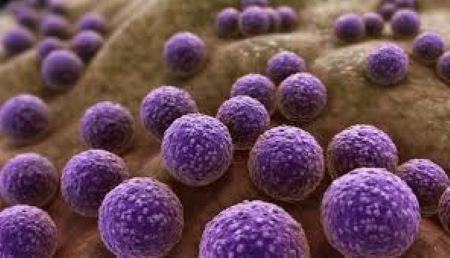
It said that AMR occurs when bacteria, viruses, fungi and parasites no longer respond to medicines, leading to infections becoming difficult or impossible to treat, increasing the risk of disease spread, severe illness and death.

It said that on human health, the declaration sets a more ambitious target that at least 70 per cent of antibiotics used for human health globally should belong to the WHO Access group antibiotics with relatively minimal side effects and lower potential to cause AMR.

It includes targets around Infection Prevention and Control (IPC), such as 100 per cent of countries having basic water, sanitation, hygiene and waste management services in all health care facilities.

It also includes 90 per cent of countries meeting all WHO’s minimum requirements for IPC programmes by 2030,”

”There are also commitments on investments to facilitate equitable access to, and appropriate use of, antimicrobials, as well as on reporting surveillance data on antimicrobial use and AMR across sectors,” it said.

On agriculture and animal health, the world leaders pledged to meaningfully reduce the number of antimicrobials used globally in the agri-food systems by prioritising and funding the implementation of measures to prevent and control infections.

This is to be achieved in the context of the WOAH list of priority diseases and FAO’s RENOFARM initiative, as well as preventive strategies, including animal vaccination strategies, good husbandry practices, biosecurity, and water, sanitation and hygiene (WASH).

On the environment, the declaration underscored the need to prevent and address the discharge of antimicrobials into the environment.

It also called for increased research and knowledge on the environmental dimensions of AMR and for catalyzing actions to address key sources of antimicrobial pollution.

Acknowledging that AMR is a complex problem, the declaration recognised the need for a multisectoral response combining human, agricultural, animal, and environmental sector-specific interventions, it said.

The FAO Director-General, Mr QU Dongyu, said that the intersectoral challenge of AMR demanded a One Health systems approach that unites human, animal, plant, and environmental health, backed by robust and accountable global AMR governance.

According to Dongyu, sustainable, diversified financing is essential to support the setting of clear priorities and measurable targets that drive decisive action while recognising national and regional contexts.

“We must ensure universal access to medicines, treatments, and diagnostics, especially in developing countries and in all sectors, while promoting preventive measures and investing in research, innovation, capacity building, and bold awareness initiatives.

“Our health depends on safe, nutritious food, and food security hinges on healthy, sustainable, resilient, and inclusive agrifood systems.

“For nearly 79 years, FAO has been steadfast in its mission to secure safe, nutritious food for all. We fully support this declaration and remain committed to a multisectoral, multi-stakeholder approach to eliminate AMR risks in agrifood systems,” he said.

The Executive Director of UNEP, Ms Inger Andersen, said that evidence was mounting that the environment played a significant role in the development, spread and transmission of AMR, including transmission between humans, and animals to humans.

According to Andersen, if humanity is to reduce the burden of AMR and its risks, the environment must be part of the solution.

“Today’s declaration recognises this need, and UNEP will continue to be at the forefront of efforts to reduce the burden of AMR on societies and tackle the triple planetary crisis,” she said.

The WHO Director-General, Dr Tedros Ghebreyesus, said that in the century since Alexander Fleming stumbled across penicillin in a laboratory in London, antibiotics had become a mainstay of medicine, transforming once-deadly infections into treatable and curable conditions.

Ghebreyesus said that antimicrobial resistance threatens to unwind that progress, making it without question one of the most pressing health challenges of the time.

“Today’s declaration includes vital commitments that, if translated into action, will help to track AMR, slow it down, expand access to antimicrobial medicines like antibiotics and spur the development of new ones,” he said.

The WOAH Director-General, Dr Emmanuelle Soubeyran, said that antimicrobials help animals and humans live longer and healthier lives.

“But many of these life-saving drugs are dangerously losing their efficacy, which has devastating impacts not only on human health, but also on livestock and the economy at large,

“Urgent action is needed and we welcome the numerous commitments made by countries through this political declaration.

“The prioritisation of preventative measures against infectious diseases in animals is of paramount importance.

“WOAH will continue to assist countries by developing standards and guidelines, assessing policy frameworks for antimicrobial prescription.

”WOAH will also support the implementation of commitment and vaccination programmes on priority diseases that can help reduce the need for antimicrobials, among other measures,” Soubeyran said.

NAN

AMR Antimicrobial resistance
Share. Facebook Twitter Pinterest LinkedIn WhatsApp Reddit Tumblr Email
Editor
  • Website

Related Posts

Aid cuts to HIV/AIDS programmes could reverse gains, put Nigerian youths at risk – expert

February 2, 2026

Lawmaker plans free healthcare for 10,000 constituents

February 1, 2026

Anambra seeks LG chairmen’s support for measles–rubella vaccination campaign

January 31, 2026

Leave A Reply Cancel Reply

Aid cuts to HIV/AIDS programmes could reverse gains, put Nigerian youths at risk – expert

February 2, 2026

Singer Nanyah dies of snake bite at her home

February 1, 2026

Indonesia lifts ban on Elon Musk’s Grok  

February 1, 2026

Wema Bank launches ‘Evolution of Love’ campaign for Valentine’s Day

February 1, 2026
About Us
About Us

ASHENEWS (AsheNewsDaily.com), published by PenPlus Online Media Publishers, is an independent online newspaper. We report development news, especially on Agriculture, Science, Health and Environment as they affect the under-reported rural and urban poor.

We also conduct investigations, especially in the areas of ASHE, as well as other general interests, including corruption, human rights, illicit financial flows, and politics.

Contact Info:
  • 1st floor, Dogon Daji House, No. 5, Maiduguri Road, Sokoto
  • +234(0)7031140009
  • ashenewsdaily@gmail.com
Facebook Twitter Instagram Pinterest
© 2026 All Rights Reserved. ASHENEWS Daily Designed & Managed By DeedsTech

Type above and press Enter to search. Press Esc to cancel.