


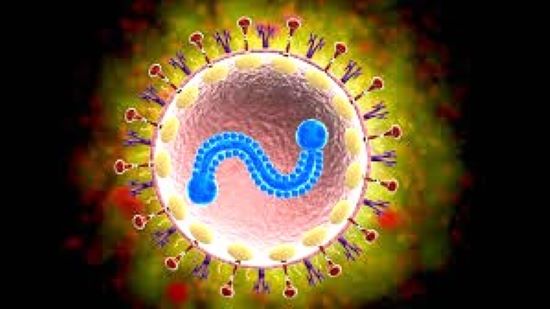
The World Health Organization (WHO) has raised fresh concern over the dangers of respiratory syncytial virus (RSV), the leading cause of hospitalizations among infants worldwide, responsible for more than 100,000 child deaths every year.
In its latest Science in 5 episode, WHO’s Dr. Daniel Feikin described RSV as a nearly universal infection, with almost every child contracting it by age two. While most cases are mild, the virus causes around 33 million lower respiratory infections annually in young children, leading to over 3 million hospital admissions. Nearly half of RSV-related deaths occur in babies younger than six months.
RSV symptoms often begin like a cold but can progress into severe illness. Warning signs include wheezing, difficulty breathing, poor feeding, extreme sleepiness, and bluish lips or fingernails. WHO advised parents and caregivers to seek immediate medical care if infants develop these symptoms.
Dr. Feikin noted that two new immunization tools now offer hope: a maternal vaccine given during the third trimester of pregnancy, which transfers protective antibodies to the baby, and a monoclonal antibody administered directly to newborns. Both approaches shield infants during their most vulnerable first six months of life.
In addition to immunization, WHO recommended preventive measures such as regular handwashing, keeping babies away from people with respiratory infections, and avoiding smoking around children. With RSV season coinciding with the colder months, the agency urged pregnant women and parents of newborns to consult healthcare providers promptly about protection options.
Dr. Feikin also recalled his personal encounter with RSV when his own child was hospitalized with the illness. He described it as both terrifying and traumatic, underscoring the urgent need for families and health systems to take the virus seriously.
