


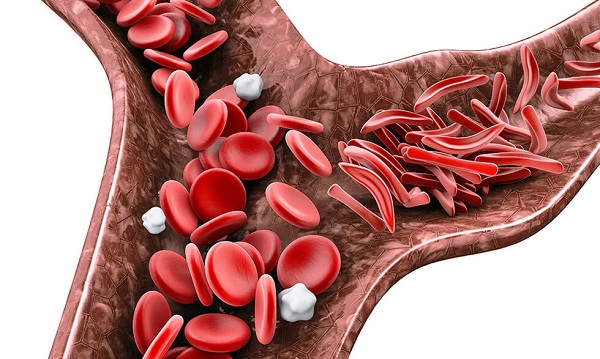
Health experts are urging that children with sickle cell disorder should start taking hydroxyurea early. They say the drug greatly improves quality of life and does not cause cancer or fertility problems in the long term.
The World Health Organization (WHO) says hydroxyurea is an important medicine for treating sickle cell disease, especially in countries with limited healthcare resources.
WHO recommends the drug because it helps reduce severe pain episodes, lowers the need for hospital visits and blood transfusions, and helps both children and adults live healthier lives.
At a recent event in Lagos, health experts shared that Nigeria has been using hydroxyurea for over 19 years to treat sickle cell patients. They said it has clearly reduced hospital admissions, blood transfusions, and pain crises.
Dr. Michael Adeseye, a child blood and cancer specialist at Lagos University Teaching Hospital, said hydroxyurea has brought hope to children with sickle cell and reduced how often they need hospital care.
He shared that some children have been on the drug for 7–8 years without needing to go to the hospital. One parent even said, “This drug gave us our lives back.”
Hydroxyurea was first used to treat cancer but was later found to increase a type of hemoglobin (fetal hemoglobin) that works better in low-oxygen conditions, helping sickle cell patients.
Dr. Adeseye explained that the drug was first tested on mice, and later on adults and children in the U.S. A major study in 1992 showed it was safe for babies as young as nine months old.
He added that some hospitals in the U.S. now start the drug as early as 3–6 months. In Nigeria, hydroxyurea has been used since 2006, and by 2018, there was enough proof that it helps reduce hospital visits and improves children’s lives.
Dr. Adeseye also addressed common fears, saying that long-term studies in the U.S. show hydroxyurea does not increase cancer risk.
He admitted the drug might lower sperm count, but it doesn’t affect how sperm moves or looks, which are key for male fertility.
For women, it may reduce a certain hormone level, but studies show that women with sickle cell who take hydroxyurea are just as likely to get pregnant as those who don’t have the disease.
He said one of the biggest benefits of starting hydroxyurea early is that it helps protect important organs from damage caused by repeated sickle cell crises.
Dr. Adeseye warned that without treatment, children’s organs—like the brain, heart, and kidneys—can wear out faster. By age 18, some may have organs that function like those of a 25-year-old. That’s why early treatment is important.
Despite its benefits, he said many parents and even some health workers believe wrong information about the drug, which stops children from getting the help they need.
He also said that the cost of the drug and gaps in Nigeria’s healthcare system make it harder for families to access the treatment.
He explained that they usually give 20mg per kg of the child’s weight, which works well. In some countries, doctors give up to 35mg/kg for children at high risk, but only in special cases with close monitoring.
Dr. Adeseye encouraged parents to take charge of their child’s health and not be afraid to get a second opinion if a doctor or nurse does not support hydroxyurea treatment.
He said, “Some healthcare workers may discourage you, but not all of them are properly informed. If you’re not getting the right care, find a place that knows what to do. Your child deserves the best.”
He also called on the government and drug companies to work together to make hydroxyurea cheaper and easier to get, possibly through national health insurance.
He ended by saying, “Every child with sickle cell deserves this chance. We shouldn’t wait until the disease gets worse before helping them live better lives.”
Osasele Esangbedo, a genetic counsellor and founder of Noah’s Ark Foundation for Sickle Cell, also spoke. She called for better access to prenatal testing, more support for adoption, and greater public awareness.
She said all public hospitals should check babies’ genotypes at birth so parents can start learning how to care for them early.
She added, “Talking and raising awareness are important. If children know their genotype early, they’ll make better decisions when choosing partners. We need to make testing and counselling normal to prevent more cases.”
