


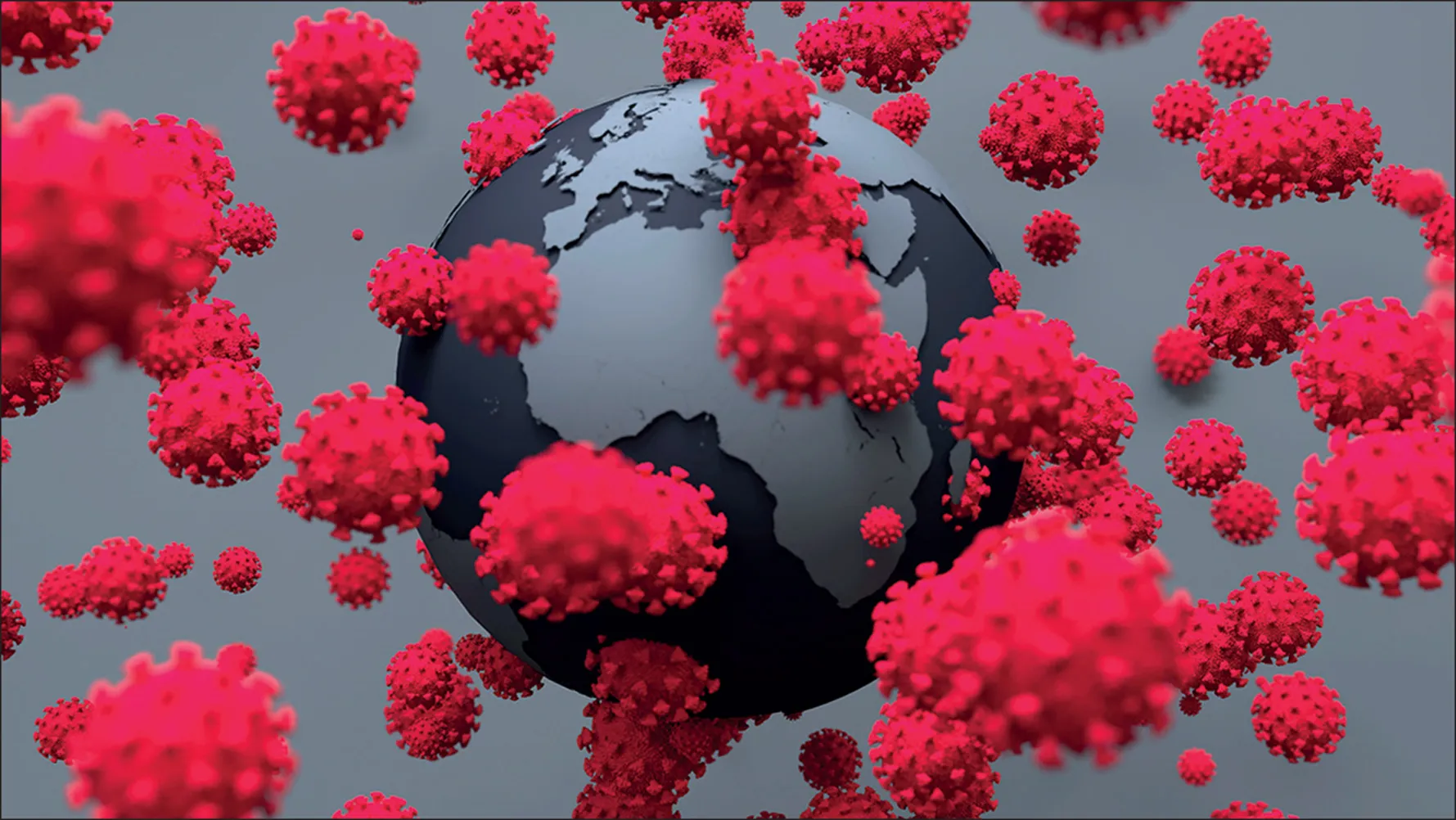
Dr Emmanuel Agogo, Director of Pandemic Threats at the Foundation for Innovative New Diagnostics (FIND), has said the next pandemic does not have to become a global crisis if countries strengthen their preparedness systems.
Agogo stated this in an interview with reporters in Abuja on Monday, stressing that sustained investment in resilient health systems is crucial to preventing future outbreaks from escalating into worldwide emergencies.
He noted that the International Day of Pandemic Preparedness, observed on Dec. 27, highlights lessons from past outbreaks, showing that effective preparedness depends on strong health services and collaboration at all levels.
According to him, strengthening primary healthcare is essential for early detection and rapid response to disease outbreaks. He urged countries to expand and rethink their health workforce by investing in public health professionals, field epidemiologists and other critical frontline workers.
Agogo cited Nigeria’s responses to Mpox, COVID-19 and Lassa fever as evidence that strong public health institutions are vital. He said the Nigeria Centre for Disease Control and Prevention (NCDC) had laid a solid foundation for operational readiness before health emergencies occur nationwide.
He added that Joint External Evaluations conducted under the International Health Regulations show that preparedness is most effective when systems are fully operational before outbreaks occur, alongside strong biosecurity measures, rapid public protection mechanisms and well-coordinated national laboratory capacity.
Agogo highlighted the importance of innovation, diagnostics and the 7-1-7 target for outbreak detection, notification and response. He also called for unified global agreements to promote equity, accountability and sustained progress from predicting health threats to preventing them.
The United Nations-established International Day of Pandemic Preparedness emphasizes the need for proactive action, reminding governments that pandemics can be mitigated through strong health systems, trained personnel, collaboration and early warning mechanisms before crises escalate globally.
