


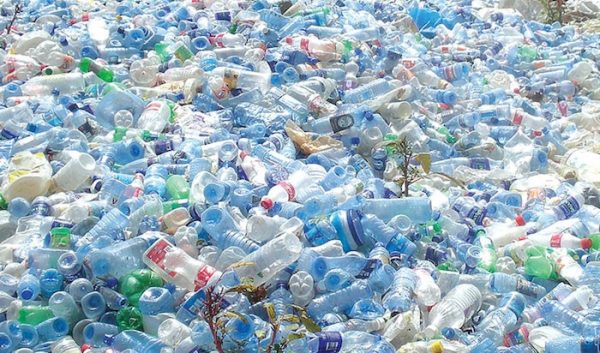
Digital Peers International (DPI), an NGO, has launched the second phase of its environmental initiative aimed at engaging tech-driven youths in effective plastic use and waste management across the Federal Capital Territory and Nasarawa State.
The phase, titled “Deploying the Power of IT-Engaged Youths in Effective Plastic Use and Plastic Waste Management 2.0,” was unveiled at a press conference on Wednesday in Abuja.
The initiative is supported by the Global Environment Facility Small Grants Programme, implemented by the United Nations Development Programme (UNDP).
DPI Chief Executive Officer, Dr. Ibukun Odusote, said the project equips youths with skills and opportunities to tackle plastic pollution and develop innovative solutions capable of transforming communities.
She said the initiative addresses Nigeria’s growing plastic waste crisis through youth leadership, digital innovation and community-driven environmental action.
“From clogged drainage systems that cause flooding to degraded farmlands, contaminated waterways, and microplastics threatening human health, the impact of plastic waste is felt in our homes, schools, markets and ecosystems.
“Plastic waste is no longer just an environmental problem; it is a social, economic and public health challenge,” Odusote said.
She noted that phase one, implemented in 2023, produced ICT-driven solutions for waste monitoring, school and community recycling, and enhanced environmental awareness.
“Phase two is designed to deepen youth participation, expand community impact and strengthen local solutions.
“The project adopts a team approach, requiring self-formed groups of four youths aged 15 to 30.
“This promotes collaboration, creativity and peer motivation—qualities essential for addressing environmental challenges,” she said.
Odusote said the teams would compete for cash prizes, with the top group receiving N2 million, while runners-up will earn N1.6 million, N1.2 million, N800,000 and N400,000 respectively.
“Beyond financial rewards, the best ideas will receive incubation support, tools, mentorship and opportunities to develop into viable eco-startups within the plastic value chain,” she added.
The project also includes a social media component encouraging youths to produce 60-second videos proposing practical, technology-driven solutions to plastic waste.
“Top entries will win N150,000, with consolation prizes for 100 additional participants.
“All interventions are designed to reduce plastic pollution and institutionalize long-term behavioral and cultural change within households, schools, businesses and communities.
“Phase II is not just a campaign; it is a movement, transforming waste into value, problems into opportunities and young people into champions of sustainability,” she said.
Dr. Adeolu Odusote, Managing Director of Pearls Learning Hub, urged the media to amplify environmental issues and support efforts that contribute to global climate commitments.
Elizabeth Atsen, a beneficiary of phase one, said the initiative had equipped her with plastic waste management skills, which she had shared with others, helping to expand the project’s impact within her community.
