


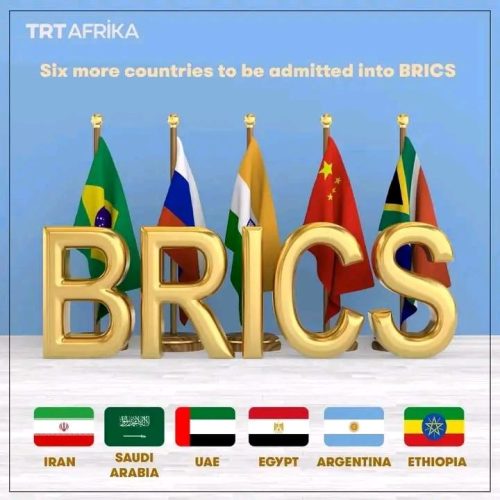
The BRICS economic bloc has accelerated efforts to diversify away from the United States dollar by deepening its reliance on gold as a strategic reserve asset, underscoring a broader push toward financial autonomy and reduced exposure to Western-dominated monetary systems.
Recent data indicate that BRICS member states and aligned partners now collectively account for about half of global gold production, strengthening the bloc’s influence in the precious metals market. This growing control is driven by sustained increases in domestic mining output and aggressive gold purchases by central banks within the group.
China and Russia have led the accumulation drive, steadily expanding their gold reserves over the past decade as part of long-term strategies to hedge against currency risk, sanctions exposure, and dollar volatility. India and other BRICS members have also increased their gold holdings, reinforcing gold’s role as a neutral and politically insulated store of value.
Beyond reserves, the bloc is exploring gold-linked mechanisms to facilitate cross-border trade and settlements. These initiatives are designed to reduce dependence on dollar-based systems and limit exposure to external financial pressures. While no single common BRICS currency is in circulation, discussions around gold-backed or gold-referenced settlement instruments have intensified as trade among member states expands.
The shift reflects wider global trends, with many emerging economies rebalancing their reserve portfolios toward tangible assets amid rising geopolitical uncertainty and concerns about long-term dollar dominance. Gold purchases by central banks worldwide have remained elevated, lending further momentum to BRICS’ strategy.
Analysts note that the move does not signal an immediate replacement of the dollar in global finance but represents a gradual recalibration. The dollar remains dominant in international trade and reserves, yet BRICS’ growing gold influence highlights the emergence of a more multipolar financial order.
As the bloc continues to expand its membership and economic footprint, its diversification toward gold is expected to play a central role in shaping alternative financial frameworks, potentially redefining how trade, reserves, and monetary power are distributed in the global economy.
