


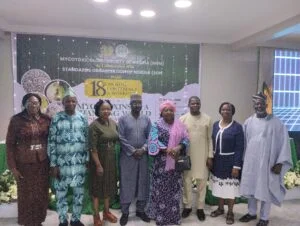
The Mycotoxicology Society of Nigeria (MSN), in collaboration with the Standards Organization of Nigeria (SON), has intensified efforts to promote early detection and prevention of mycotoxins in Nigeria’s agricultural produce.
Farmers and agricultural stakeholders were sensitized on mycotoxin risk management during the MSN 18th Annual Conference hosted by SON on Monday in Lagos. The conference had the theme: “Mycotoxins in a Changing World: Risk, Management and Innovations.”
Mycotoxins are toxic chemical substances produced by certain moulds that contaminate food and pose severe health risks to humans and animals. Common types—including aflatoxins and fumonisins—are often found in cereals, nuts and dried fruits. Exposure can occur through ingestion, inhalation or skin contact, leading to acute or chronic health conditions, including cancer.
Speaking at the event, MSN National President, Prof. Yemisi Jeff-Agboola, represented by Dr Danladi Abba, Vice President (North), said addressing the growing threat of mycotoxins requires urgent collective action.
“This gathering is more than an academic event; it is a historic convergence of science, leadership and shared responsibility for the health of our nation and continent,” Jeff-Agboola said.
He noted that climate change is reshaping fungal ecology and increasing mycotoxin risks. He stressed the need for improved detection, monitoring and surveillance systems using modern tools and technology to support decision-making.
He also called for strengthened regulatory standards and communication strategies to protect both the population and agricultural markets.
“Innovative strategies for mycotoxin indicators across the agricultural value chain will support practical interventions and reduce contamination,” he said.
“Our research is not merely academic; it is existential. We are watchmen standing guard over the safety of our food system.”
SON Director-General, Dr Ifeanyi Okeke, represented by Mrs Talatu Ethan, Director of Corporate Affairs, reaffirmed SON’s commitment to ensuring food safety nationwide.
“Our gathering today brings together scientists, regulators and professionals dedicated to protecting public health, enhancing trade and ensuring safer food systems,” Okeke said.
He said managing mycotoxin contamination is critical for Nigeria’s agricultural economy, noting that unsafe levels threaten consumer health and reduce global acceptance of Nigerian agro-products.
“As the national standards body, SON will continue working with relevant institutions to develop and implement standards that support food safety, good agricultural practices and value addition across value chains,” he said.
He commended MSN for its sustained advocacy on aflatoxin management and food safety research.
Delivering the keynote address, MSN Board of Trustees member, Dr Folashade Oluwabamiwo, emphasized the need for proactive, technology-driven strategies to address emerging mycotoxins.
“Climate change has intensified temperature fluctuations, altered rainfall patterns and increased droughts—creating new ecological niches for mycotoxin-producing fungi,” she said.
“This is no longer the time to react after contamination occurs; prevention must come first.”
She said tackling mycotoxins is essential to safeguarding public health, food security and economic stability.
Mr Sakin Agbayewa, Deputy Chairman of the All Farmers Association of Nigeria (AFAN), urged farmers to apply the knowledge gained.
“This topic is critical. We must stay healthy to enjoy the fruits of our labor,” he said.
“What is the point of investing in farming only to spend that money treating illnesses caused by avoidable contamination?”
Agbayewa added that reducing mycotoxin-related health challenges would also ease pressure on Nigeria’s overstretched healthcare system.
