


The Women Initiative for a Sustainable Environment (WISE) has partnered with the Kaduna State Ministry of Agriculture to organize a one-day advocacy and awareness walk in Kaduna to mark World Soil Day and the 16 Days of Activism Against Gender-Based Violence (GBV).
The 16 Days of Activism Against GBV runs from November 25 to December 10, while World Soil Day is marked globally on December 5 each year.
The themes for this year’s commemorations were: “Healthy Soils for Healthy Cities” and “Unite to End Digital Violence Against All Women and Girls”, respectively.
The walk, held on Wednesday in Kaduna, drew more than 150 women from associations, organizations, and community-based groups across the state to promote soil health and digital safety.
At the event, Mrs. Olanike Olugboji-Daramola, Founder and Executive Director of WISE, explained that the advocacy aimed to amplify women’s voices in digital spaces and the agricultural sector, stressing that women remain central to food security and household nutrition.
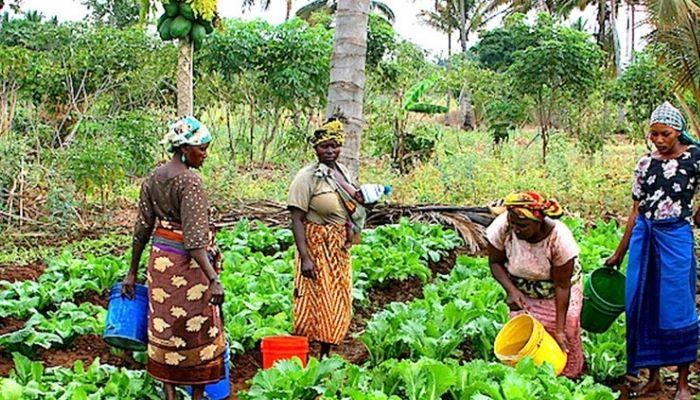
She said the programme included 30 women farmers from WISE’s regenerative agriculture initiative, trained to promote organic farming and soil restoration in their communities.
“Unhealthy soils affect human health. Healthy soils are essential for healthy cities, stable food systems, and climate resilience,” Olugboji-Daramola said. She added that WISE encourages women to grow food at home to improve household nutrition and reduce dependence on expensive market produce.
Olugboji-Daramola explained that the organization launched its regenerative agriculture accelerator after consulting women on their priority challenges and livelihoods. She noted that excessive use of chemicals in farming contributes to health challenges and environmental degradation across rural and urban communities.
She thanked the Kaduna State Ministry of Agriculture for its support and said that strategic documents presented at the event would be shared with women farmers at the grassroots level.
Mr. Bungwon Dutse, Director of Agricultural Services at the ministry, commended WISE and called for stronger institutional collaboration to scale up impact. He urged the organization to formally register on the ministry’s coordination platform to improve information sharing and technical support for women farmers.
Dr. Pakachi Zakaria, Director of Veterinary Services, said community voices such as WISE should be integrated into agricultural and nutrition policy reforms. He noted that soil degradation resulting from human activities continues to reduce the nutritional value of food grown in many communities.
He added that government nutrition strategy prioritize women, children under five, displaced persons, and persons living with disabilities.
Mrs. Elizabeth Hassan, a member of the regenerative agriculture cohort, said the programme had helped women gain practical skills in organic farming and food production. “Women are learning to plant what they want to eat, and healthy food remains more effective than medicine in building strong families,” she said.
Hassan also highlighted security challenges facing women farmers, including physical insecurity and online risks, which limit access to farmlands and information. She called on the government to strengthen security to enable women farmers to return safely to their farms and expand food production.
The advocacy walk concluded with a call for stronger policies to protect women in digital spaces and increased investments in women-led agriculture across Kaduna State.
