


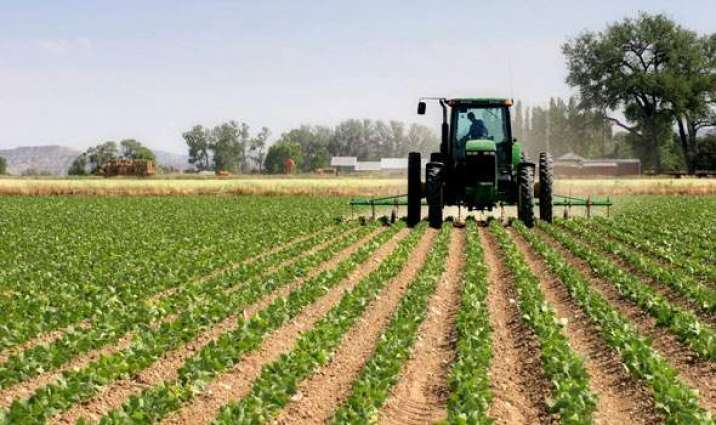
Experts on Monday called for the adoption of smart farming practices to boost domestic food production, improve food security, and reduce Nigeria’s dependence on food imports.
Speaking to reporters from both agribusiness and research perspectives, the experts said smart farming is data-driven and can significantly reduce reliance on imported food.
Dr Tokunbo Ajayi, a Director at GkO Farms, explained that techniques such as precision agriculture allow farmers to optimist the use of resources, including water, fertilizers, and pesticides, reducing waste and increasing crop yields.
“By utilizing data analytics, farmers can make informed decisions about planting times, crop selection, and resource allocation, which leads to improved productivity,” Ajayi said. He added that smart farming also promotes sustainable agricultural practices, enhancing soil health and reducing environmental impact.
“This creates a more resilient agricultural system capable of supporting local production,” he said.
Ajayi also highlighted the role of mobile applications and digital platforms in providing farmers with critical information on market prices, weather forecasts, and best farming practices, enabling them to make timely and informed decisions.
Similarly, Beatrice Uzochukwu, Principal Researcher at Penfield Technologies, said smart farming can help develop more efficient supply chains and reduce post-harvest losses by ensuring produce reaches markets quickly.
“This makes local products more competitive against imports,” she said.
Uzochukwu added that implementing smart farming technologies often requires improvements in agricultural infrastructure, which can enhance overall food production capabilities across the country.
She also noted that smart farming initiatives include training programmes to equip farmers with the necessary skills to adopt new technologies and improve their agricultural literacy.
