


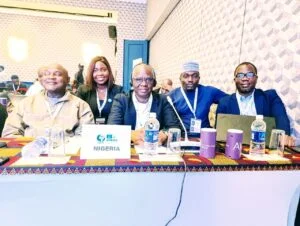
Zacharia Yaduma, Director-General of the Forestry Research Institute of Nigeria (FRIN), says Nigeria is strengthening policy and legal frameworks to promote the sustainability of biosphere reserves and support ecological research.
Yaduma stated this while presenting the national report on the implementation of the UNESCO Man and the Biosphere Programme (MAB) in Nigeria at the ongoing 8th AfriMAB General Assembly in Zambia.
It was reported that biosphere reserves are sites for testing interdisciplinary approaches to understanding and managing changes and interactions between social and ecological systems, including conflict prevention and biodiversity management.
The assembly, organised by the Government of Zambia and UNESCO, is holding from March 9 to March 13.
In a statement issued to newsmen in Ibadan on Thursday by Idara Udoh, Media Aide to the FRIN Director-General, Yaduma said Nigeria had recorded notable achievements in biodiversity conservation.
The theme of the event is: “Harnessing Africa’s Natural Resources Through Ecosystem-Friendly Technologies.”
Yaduma said the event aims to explore innovative approaches to sustainable resource use, particularly in mining and quarrying activities.
He added that it also provides participants the opportunity to exchange knowledge and solutions to strengthen sustainable resource management, biodiversity conservation and community resilience across Africa’s biosphere reserves.
According to him, Nigeria’s achievements include the ecological restoration of degraded areas in the Omo Biosphere Reserve and Oban Biosphere Reserve, as well as biodiversity business initiatives in Omo, Oban and Shere Hills Biosphere Reserve.
READ ALSO: Türkiye moves to ban single-use plastics
“Other notable achievements include training 4,700 beneficiaries in green economy and biodiversity business concepts, establishing biodiversity businesses in Omo, Oban and Shere Hills reserves, and designating Shere Hills as a biosphere reserve.
“The MAB Youth Network has also been inaugurated. These efforts align with the Lima Action Plan for UNESCO MAB and the Hangzhou Declaration,” he said.
Also speaking, Felix Mutati, Zambia’s Minister of Technology and Science, said Africa’s rapidly growing population makes it increasingly important to adopt innovative approaches that support sustainable land use and ecosystem conservation.
Mutati, represented by the Minister of Tourism, Rodney Sikumba, said priority should be given to the responsible use of natural resources, adoption of ecosystem-friendly technologies and efficient natural capital accounting to better understand the value of Africa’s environmental assets.
He called for stronger regional cooperation and greater involvement of young people, describing Africa’s youth as a key driver of innovation in environmental protection.
The outgoing AfriMAB Bureau Chair, Telesphore Ngonga of Rwanda, commended the Zambian Government and the Zambia National Commission for UNESCO for hosting the assembly.
Ngonga said that since the 7th General Assembly held in Rwanda three years ago, the AfriMAB network has expanded its work from policy dialogue to practical ecosystem restoration initiatives across the continent.
“These initiatives include support for the Great Green Wall in the Sahel region, restoration of mountain ecosystems in East Africa and mangrove rehabilitation along West Africa’s coastlines,” he said.
Ngonga added that the network has also strengthened the integration of indigenous knowledge systems in conservation programmes and promoted cooperation among transboundary biosphere reserves.
However, he cautioned that challenges remain, including limited funding for conservation activities, security concerns in protected areas and increasing human-wildlife conflicts.
Also speaking, Moira Ng’uni, Senior Programme Officer for Communications at the Zambia National Commission for UNESCO, reaffirmed the government’s commitment to responsible natural resource governance.
Ng’uni highlighted several initiatives being implemented through UNESCO partnerships, including youth communication programmes, community-based environmental awareness campaigns and projects aimed at strengthening climate resilience.
Other delegates from Nigeria include the Conservator-General of the National Park Service Nigeria, Ibrahim Musa-Goni; Prof. Tayo Oyelowo, Desk Officer, MAB Secretariat, FRIN; Mr Bello Nuhu of the National Park Service; and Ms Ofure Blessed Aikhakhomon of the UNESCO Abuja Office.
