


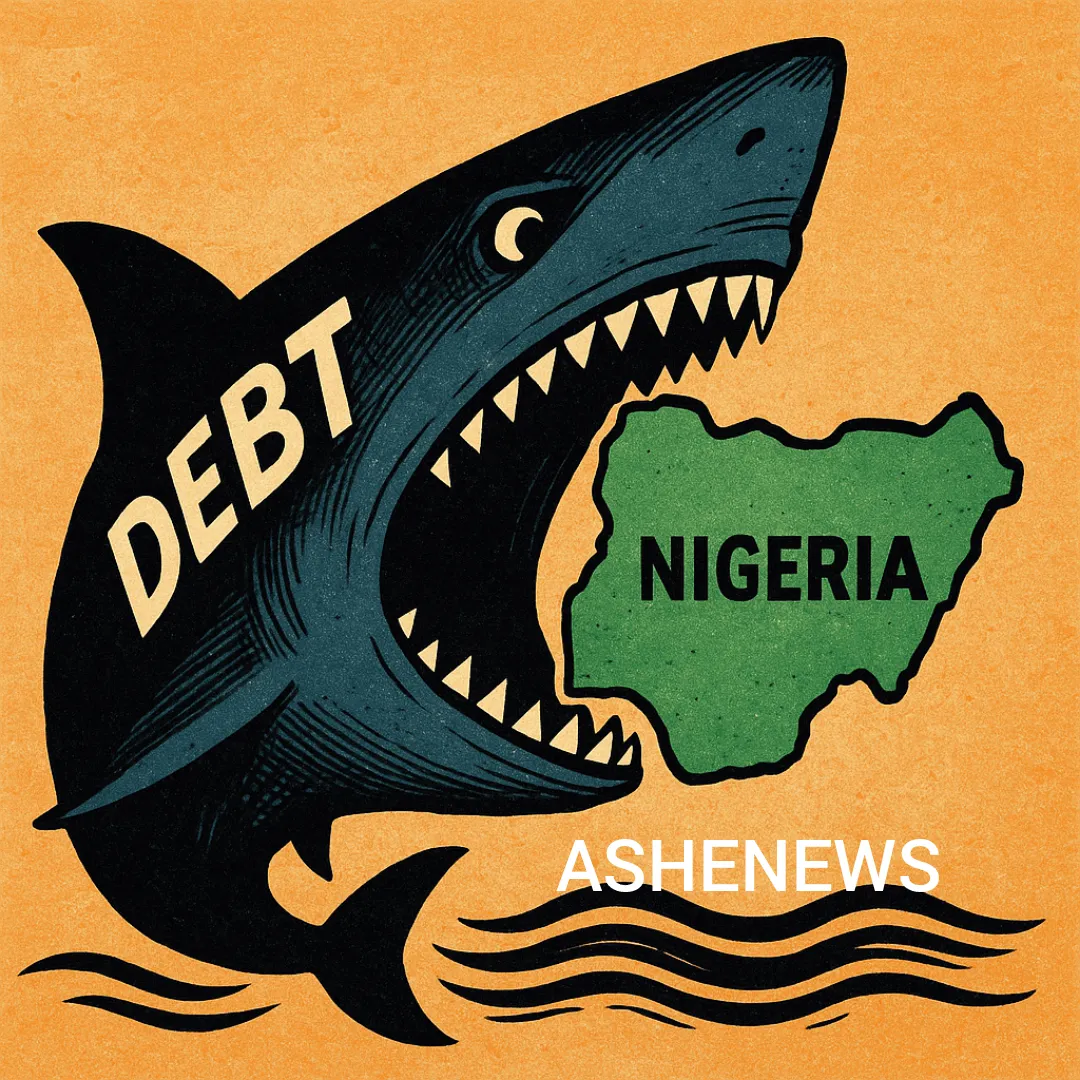
Former presidential candidate of the Labour Party, Peter Obi, has again raised alarm over Nigeria’s ballooning public debt, decrying what he described as “reckless and unaccountable borrowing” by the current administration.
In a strongly worded statement posted on his X (formerly Twitter) handle, Obi revealed that following the Senate’s latest approval of external loans totalling $21 billion, €2.2 billion, and ¥15 billion for the 2025–2026 fiscal cycle, Nigeria’s total debt burden has now surged to an unprecedented N187 trillion — with fears it could exceed N200 trillion before the year ends.
“This brings our total debt to about N187 trillion,” Obi wrote, “with concerns that our debt might likely be over N200 trillion by the end of 2025.” He warned that Nigeria’s debt-to-GDP ratio — now over 50% — is the highest in the country’s history.
The former Anambra State governor lamented that despite such heavy borrowing, critical sectors like education, healthcare, power, security, and infrastructure remain in a deplorable state. “We are accumulating unsustainable debt with little or nothing to show for it,” he said.
Obi cited damning statistics:
- 133 million Nigerians live in multidimensional poverty,
- 652 children have died recently due to worsening malnutrition in northern Nigeria,
- Only 5,000 MW of electricity is supplied to over 200 million people,
- 135,000 km of Nigeria’s 195,000 km road network remains unpaved and largely unusable,
- And over 10,217 people were killed with 672 villages sacked under the current government, despite a massive increase in security spending from N2.98 trillion in 2023 to N4.91 trillion in 2025.
“This is not governance. This is mortgaging the future of our children,” Obi declared, calling for a total overhaul of the country’s fiscal management system. He urged the government to cut the cost of governance, plug financial leakages, and invest meaningfully in human capital.
“Borrowing is not bad when tied to productive investments with measurable outcomes. But this borrowing spree — without transparency, accountability, or impact — is unsustainable,” Obi stressed.
He concluded with a call for national awakening: “We must build a New Nigeria, where leadership is responsible, and every kobo spent delivers a measurable impact. A New Nigeria is Possible.”
