


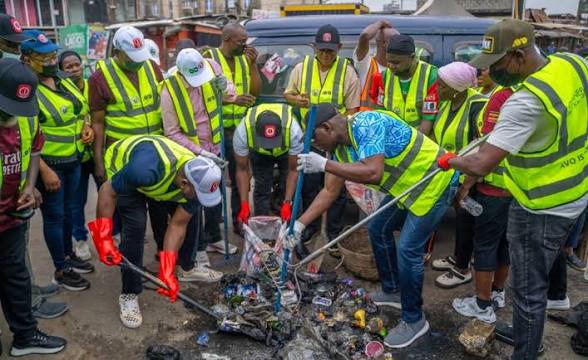
The governments of Sokoto, Kebbi and Zamfara states plan to recruit more sanitary inspectors as part of intensified efforts to improve environmental sanitation and protect public health.
A survey by reporters found that the states face a shortage of personnel and operational equipment, which remain major challenges.
The Zonal Environmental Officer for the Birnin Kebbi Zone of the Kebbi Environmental Regulation Agency (KERA), Alhaji Abdulrahman Muhammad, said the agency had about 22 sanitary inspectors.
Muhammad said the inspectors monitored compliance with environmental health regulations in residential areas, bakeries, sachet-water factories, markets, abattoirs, food stalls and eateries.
He said they regularly visited these premises to check compliance with hygiene standards and prevent practices that could endanger public health.
According to him, the agency also supervises monthly environmental sanitation exercises to promote cleanliness and discourage indiscriminate waste disposal.
“Despite the limited number of personnel, we are doing our best to ensure that residents and business operators comply with environmental sanitation rules and regulations.
“We need more staff because the available personnel are not sufficient to meet the growing needs of the state.
“Most of the staff we currently have are on Grade Level 08 and above, which further underscores the need to strengthen our workforce,” he said.
Muhammad added that a lack of transportation affected the agency’s ability to reach different locations and conduct effective inspections.
He said the agency occasionally trained food vendors to improve their knowledge of food hygiene, safe handling and sanitation practices.
He urged residents, food vendors and other business operators to comply with environmental health regulations, stressing that maintaining a clean environment was a collective responsibility.
The Kebbi Commissioner for Physical Planning and Urban Development, Alhaji Hayatuddeen Ahmad-Bawa, said the state government had approved monthly refuse collection across the state. He added that it had repaired the trucks and payloaders of the Kebbi Urban Development Authority (KUDA) to strengthen waste management operations.
Ahmad-Bawa said KUDA received monthly cash allocations, in addition to the repaired equipment, to ensure regular refuse collection across the state.
He said the repairs had been completed and were intended to improve the agency’s capacity to maintain environmental cleanliness.
The commissioner also said the government had approved refuse collection and drainage clearing in Birnin Kebbi to improve water flow and reduce the risk of flooding during the rainy season.
He cited the extension of excavation work at the Adamu Aliero main drainage outlet in Bayan Kara as part of efforts to ensure the free flow of water.
Ahmad-Bawa said approval had also been granted for the daily cleaning of major roads in the state capital.
The Public Relations Officer of the Sokoto State Ministry of Environment, Malam Abubakar Gani, said the state government had recruited more than 500 township cleaners, in addition to sanitary inspectors deployed across the state.
According to Gani, the cleaners clear drains, remove refuse from public places, sweep streets and carry out other sanitation tasks, while trucks and environmental vehicles transport the waste.
He added that the state government had engaged private firms in sanitation work and assigned them areas to clean and clear accumulated waste, particularly in public places.
Gani said the administration of Gov. Ahmad Aliyu had procured modern waste-disposal equipment to improve sanitation services and promote a cleaner environment across the state.
He said the State Executive Council approved the purchase of nine waste-disposal trucks, waste bins, safety kits and other sanitation tools at its fifth meeting. The equipment, he said, would improve efficiency in refuse collection and environmental management.
He said the initiative formed part of the government’s wider urban renewal agenda and its commitment to protecting public health through sustainable environmental practices.
According to him, the equipment supports sanitation workers’ daily activities and ensures timely waste collection, particularly in densely populated areas and major towns.
Gani said uniformed sanitary inspectors routinely visited food outlets, water-production facilities, abattoirs and other premises. He added that the exercise had recorded significant success through collaboration with regulatory and law-enforcement agencies.
Dahiru Kamaru-Gada, Director of Advocacy and Mobilisation at the Sokoto State Primary Healthcare Development Agency (SSPHDA), said the agency had trained Ward Development Committee members, health promotion officers, sanitary inspectors and community women leaders in community engagement and public health interventions.
Kamaru-Gada said governments had stepped up enforcement of environmental sanitation and hygiene regulations to prevent disease outbreaks and promote public health. He added that proactive monitoring mechanisms were being used to ensure compliance with hygiene and sanitation standards.
The Special Adviser to the Sokoto State Governor on the SSPHDA, Dr Bello Marnona, highlighted the importance of engaging traditional and community groups to help implement health and sanitation policies.
Marnona urged community-based organisations to support mobilisation efforts, identify incidents and connect those affected with the nearest health facility.
He stressed the need to use appropriate service channels and follow up to ensure people received the care they needed.
The special adviser described religious leaders as important guides, advocates and partners in promoting positive change in their communities.
Aliyu Attahiru, a senior traditional ruler from the Sultanate Council and Galadiman Garin Sokoto, said effective community mobilisation and accurate reporting of surveillance findings were essential to improving public health and preventing disease outbreaks.
Attahiru, the Sultanate Council’s councillor on healthcare and the environment, supported the reactivation of sanitary inspectors’ work and reaffirmed traditional rulers’ commitment to the success of environmental sanitation and healthcare programmes across the state.
He urged officials and their partners to carry out their duties diligently, saying their efforts were critical to improving healthcare coverage.
In Zamfara, the Director at the State Ministry of Environment, Dr Nasir Muhammad, said recruiting sanitary inspectors and other health workers was among the present administration’s priorities.
Muhammad said officials had been deployed to roads, markets, abattoirs, eateries and other locations to ensure that premises and consumables met sanitary and hygiene standards.
He said the deployment aimed to strengthen enforcement through routine inspections of regulated and unregulated premises.
Food vendors Abdullahi Maikanti, Bello Shehu, A’isha Musa and Karimatu Sahabi described sanitary inspectors’ work as vital to public health, saying inspectors helped curb careless practices, particularly in rural communities.
Residents interviewed supported recruiting more sanitary inspectors and reviving the former system of house-to-house sanitation inspections to curb the spread of disease and prevent outbreaks.
