


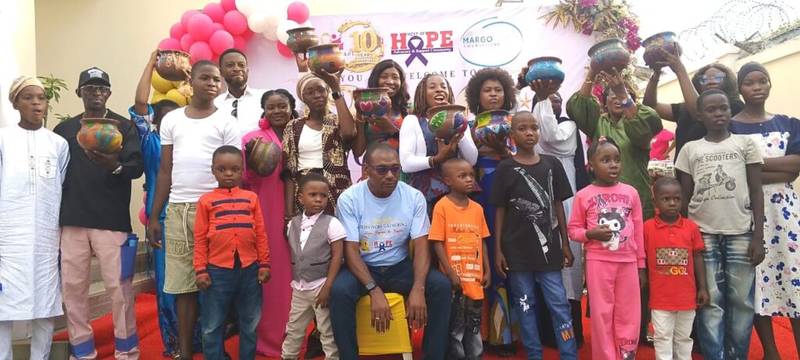
Cancer survivors, caregivers and health experts have called for stronger psychological support services and improved access to quality, subsidised cancer treatment.
They made the call on Saturday in Abuja at the 2026 Cancer Survivors Gathering, themed “Hope Beyond the Battle”.
The event was organised by the Okapi Children Cancer Foundation (OkapiCCF), Nest of Hope Advocacy and Support Community, and Margo Counseling Services.
The survivors said enhanced support services would improve survival outcomes and quality of life for cancer patients across Nigeria.
Ms. Kemi Adekanye, Founder of OkapiCCF, noted that many survivors continue to battle anxiety, emotional trauma and social challenges long after treatment.
According to her, the annual gathering provides a safe space for survivors and their families to connect, share experiences and receive psychosocial support outside hospital settings.
“People often forget that the journey continues even after cancer treatment. Survivors still face anxiety, psychological challenges and the long-term impact of the disease on themselves and their families.
“We organise this gathering every year because survivors need continued psychosocial support and an opportunity to experience life beyond chemotherapy, medication and hospital walls,” she said.
Adekanye also identified poor access to treatment as a major challenge, especially for families who travel long distances for specialist care. She said transportation, accommodation and treatment costs place enormous financial burdens on affected families.
Mr. Dozie Akwarandu, President and Lead Advocate of Nest of Hope Advocacy and Support Community, stressed the need to strengthen awareness, policy advocacy and research to improve cancer outcomes in Nigeria.
He said collaboration among cancer-focused organisations aims to reduce stigma, celebrate survivors’ resilience, and ensure Nigerians living with cancer receive the support they need to survive and thrive.
Mrs. Margaret Olokpo, Founder of Margo Counseling Services, a psychologist and psychotherapist, underscored the importance of mental health support. She noted that many survivors struggle with grief, fear and life-changing realities even after treatment.
Olokpo said community support groups allow survivors to learn from one another’s experiences, while professional counselling provides safe spaces to express fears without judgement.
Dr. John Balogun, a Paediatric Oncologist at the University of Abuja Teaching Hospital, Gwagwalada, said most childhood cancers are curable if detected and treated early.
However, he lamented that many Nigerian children present at advanced stages due to delayed diagnosis, poverty, cultural beliefs and reliance on traditional or spiritual interventions.
“Many childhood cancers can achieve cure rates of up to 90 per cent in countries with early diagnosis and access to quality treatment. Unfortunately, in Nigeria, many children arrive at hospitals when the disease has already spread,” he said.
Balogun identified the high cost of diagnosis and treatment as a major barrier, noting that childhood cancers are not yet covered under the National Health Insurance programme. He called on the government to intensify public awareness, expand health insurance coverage for childhood cancers, and invest in training more paediatric oncologists.
A male breast cancer survivor, Mr. Jacob Omonade, highlighted the emotional distress, financial hardship and stigma faced by survivors. He urged greater public education on male breast cancer to encourage early detection.
Mrs. Titilayo Adewumi, whose 15-year-old son has remained cancer-free for over 10 years, advised parents to seek prompt medical attention when they notice unusual signs in their children.
The event featured survivor testimonials, a childhood cancer awareness video, games, raffle draws, painting sessions and stakeholder interactions aimed at promoting hope, awareness and improved cancer care in Nigeria.
