


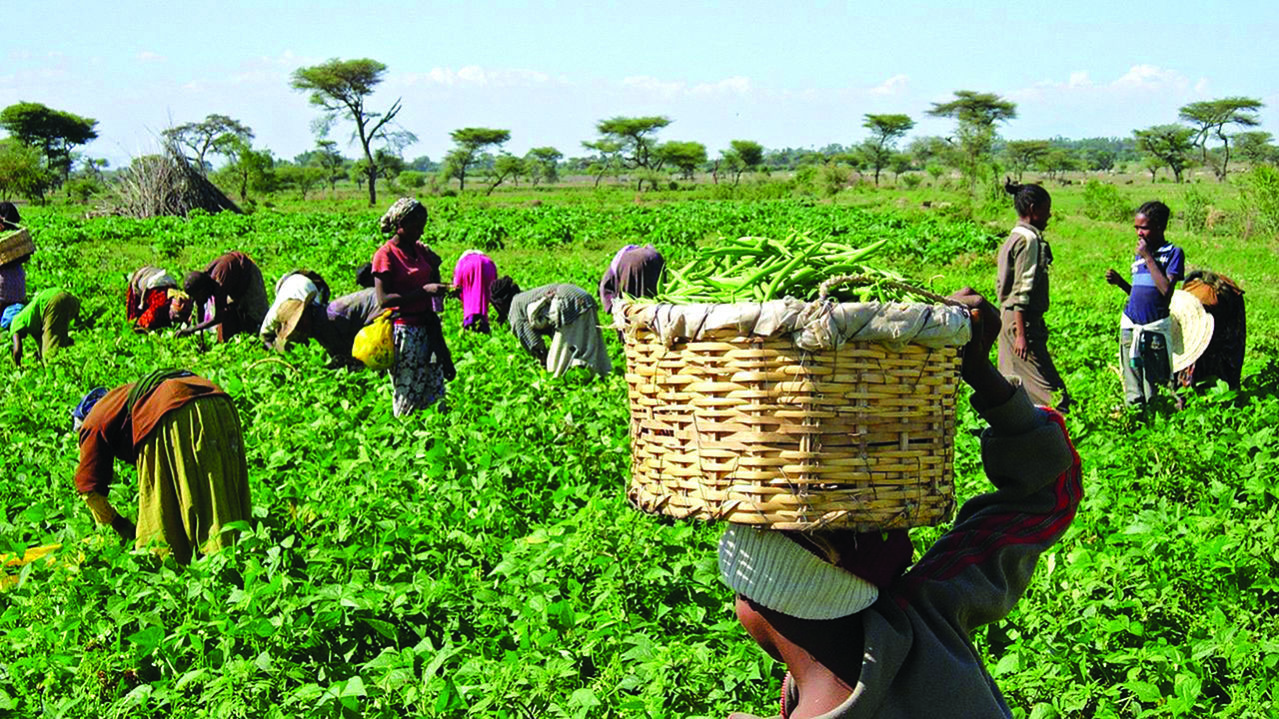
Some farmers in the country have proffered workable solutions to address Nigeria’s growing post-harvest losses, estimated at up to $10 billion annually.
The farmers shared their views in separate interviews with reporters on Thursday in Lagos.
It was reported that Nigeria loses between 30 per cent and 50 per cent of its total annual agricultural output to post-harvest waste.
The losses, estimated at approximately ₦3.5 trillion annually and between $3.7 billion and $10 billion, are largely driven by poor storage, inefficient transportation, and limited processing capacity.
The most affected crops include fruits, vegetables, and tubers.
An agricultural analyst and crop farmer, Mr Omotunde Banjoko, identified bad roads, multiple taxation, and poor storage facilities as the major causes of Nigeria’s high post-harvest losses.
“Previously, Nigeria’s post-harvest losses were estimated at about ₦3 trillion annually, but more recent reports indicate about ₦5 trillion. That’s a huge number and a cause for concern.
“We need to examine where these losses occur. Most times, they happen because farmers cannot move their produce from farms to the nearest markets or off-takers in good time.
“The state of our roads is a major issue. Most farm roads are in poor condition, so transporters are unwilling to access them. Those who attempt it often get stuck due to bad roads.
“We must consider local, state, and federal roads—especially those connecting farms and production hubs. They don’t require excessive funding but can be properly graded.
“Good roads are essential for moving produce easily. Poor road infrastructure remains a major constraint to reducing post-harvest losses,” Banjoko said.
According to him, another major factor contributing to losses is delays caused by multiple checkpoints during transportation.
“Farmers face significant delays due to multiple taxation and checks by security personnel on the roads.
“I once transported a truck of vegetables from Ogun State to Lagos State, and we were delayed for more than a day.
“By the time the truck was released the next morning, the vegetables had spoiled and could no longer be sold fresh.
“These multiple taxes and frequent stops frustrate farmers and contribute significantly to post-harvest losses,” he said.
He also stressed the need for adequate cold-chain storage facilities in markets across the country.
“We need proper cold-chain storage facilities in our markets to reduce losses.
“Most markets and off-takers lack the storage and handling equipment needed to keep produce fresh for longer periods.
“We must improve the quality of processing and storage facilities to preserve produce effectively.
“Cooling trucks, including mini refrigerated trucks, can help keep agro-produce fresh from farm to market and to the final consumer.
“To address post-harvest losses, both the government and private investors must focus on these critical areas,” he said.
On his part, the Secretary-General of the All Farmers Association of Nigeria, Mr Femi Oke, said farmers must collaborate with all levels of government to tackle the rising losses.
“One major cause of increasing post-harvest losses is the negligence of both farmers and the government in preserving agricultural produce.
“We need to prioritize preservation, as many farmers still do not adequately preserve their harvests.
“For instance, despite years of warnings about the disadvantages of using raffia baskets to transport tomatoes, they are still widely used in 2026.
“They are unhygienic and result in significant losses. Unless we adopt government- and research institute-approved crates, these losses will continue,” Oke said.
He also emphasized the need for the reconstruction of silos for grain preservation.
“The government needs to reconstruct silos to improve grain storage, boost food reserves, and prevent shortages caused by post-harvest losses.
“Farmers should also be trained and retrained on better preservation methods. They need access to the right information to reduce losses.
“The Federal Government should engage more extension officers to guide farmers on reducing post-harvest losses,” he said.
