


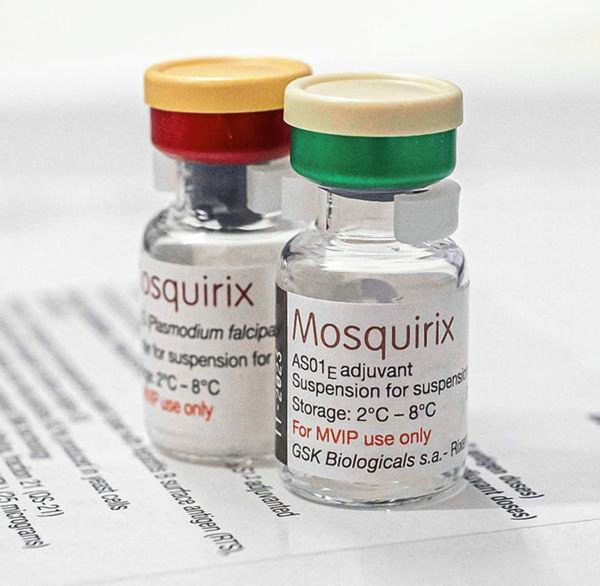
Bauchi state government has announced plans to vaccinate 280,000 children aged five to 21 months against malaria as part of efforts to curb morbidity and mortality associated with the disease.
The Executive Chairman of the , Dr. Rilwanu Muhammad, disclosed this during a stakeholders’ engagement meeting on the introduction of the malaria vaccine in the state.
He commended the for selecting Bauchi among states in the second phase of the national malaria vaccine rollout, noting that the exercise will commence on Thursday, March 28, 2026.
“Malaria remains a major public health challenge, contributing to miscarriages, anaemia, low birth weight and other life-threatening complications among pregnant women and children under five. This vaccine is specifically designed to protect children under two years, who are most vulnerable to severe malaria,” he said.
Dr. Muhammad cited the successes recorded in and , where the vaccine was first introduced in 2024, expressing optimism that Bauchi would achieve similar positive outcomes.
He assured residents that adequate doses have been distributed to health facilities across the state, but clarified that the current supply covers only children aged five to 21 months and does not include pregnant women or children above two years.
State Health Educator, Jibrin Ribado, called for collaboration from traditional and religious leaders, women’s groups, civil society organisations, the media and Parent-Teacher Associations to ensure a successful rollout.
A representative of the , Dr. Kamal Musa, noted that Nigeria accounts for a significant proportion of global malaria-related child deaths.
He outlined the vaccination schedule: the first dose at five months, the second at six months, the third at seven months, and a fourth dose at 15 months. He urged health workers to strictly adhere to the schedule and ensure parents are reminded of follow-up appointments.
Stakeholders at the meeting pledged their commitment to supporting the effective implementation of the vaccination campaign across the state.
