



In a proactive move to combat environmental threats, the Community Journalism and Human Rights Advocacy in Northern Nigeria (SCOJA) Fellows have empowered residents of Kpakungu and Tudun-Fulani communities in Niger State with essential strategies against deforestation and improper waste management, promoting tree planting, drainage clearance, and sustainable practices to curb recurrent flooding and erosion.
The advocacy which was supported by HumanAngle Foundation was held in both Kpakungu and Tudun-Fulani.
During the sensitisation, residents say that deforestation, proper waste disposal, and the clearing of drainages have caused long history of flooding which has repeatedly damaged homes and, in some cases, led to loss of lives.
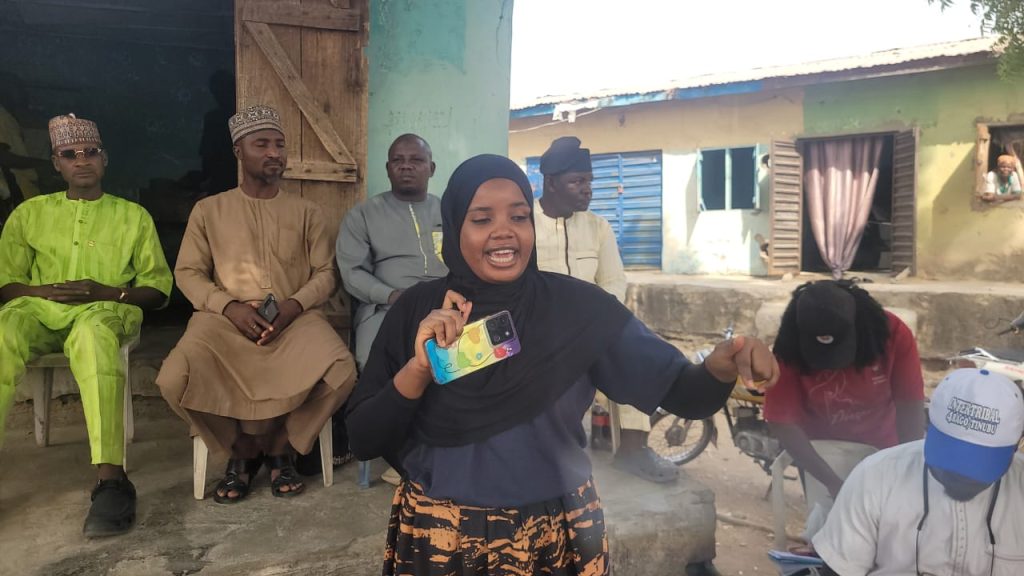
During the interactive sessions, facilitators Safiyat Dahiru Sherif and Sani Abdullahi explained how poor waste management and blocked drainages worsen the effects of climate change, especially during the rainy season.
The session further aimed at improving understanding of climate change, its causes, as well as its growing impact on the environment and livelihoods of residents in Niger State.
During the sensitization, the facilitators explained the concept of climate change, highlighting key local indicators such as irregular rainfall patterns, rising temperatures, environmental degradation, and declining agricultural productivity.
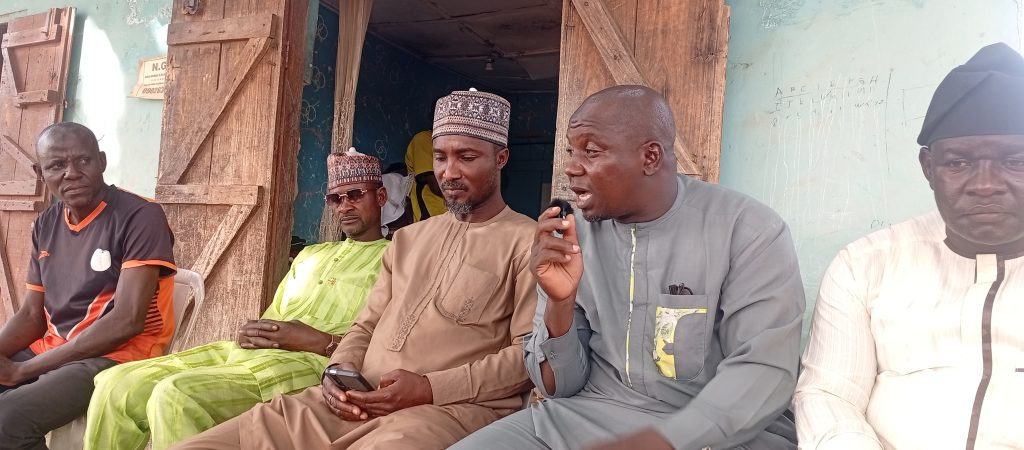
Participants were also educated on the long-term consequences of climate inaction and the need for adaptive and sustainable practices.
The session was highly interactive, providing community members the opportunity to share their lived experiences.
Many residents, particularly elderly farmers, spoke about noticeable changes in weather patterns over the years, including poor harvests and unpredictable farming seasons, emphasizing that current climate conditions differ significantly from those of the past.
In addition to physical community engagement, the advocacy emphasized digital climate engagement as a critical tool for modern climate action.
Discussions highlighted the importance of safe, inclusive, and accessible digital spaces in empowering youth and communities to share climate stories, raise awareness, mobilize collective action, and hold leaders accountable.
Challenges such as digital exclusion, misinformation, and limited acces especially among rural communities, women, and marginalized groups were also addressed.
Traditional and community leaders also participated in the sessions. In Tudun-Fulani, the District Head, Alhaji Mohammed Abdulmalik, alongside other leaders, encouraged residents to adopt the recommended practices and support collective efforts to protect the environment.
The activity concluded with a call for collective responsibility, increased local awareness, sustainable environmental practices, and strengthened digital literacy to enable effective climate advocacy and participation.
