


In the words of Nobel laureate Muhammad Yunus: “Truly affordable but high-quality health care tools and services are the only means by which quality health care can be provided to all.” Yet, in rural Nigeria, this vision remains a distant dream.
Rural communities which is the home to millions engaged in farming, fishing, and small trades face severe neglect, with crumbling primary healthcare centers (PHCs) exacerbating poverty, disease, and high mortality rates.
This report dives into the stark realities of primary healthcare in rural Nigeria, focusing on Nasarawa, Borno, and Jigawa states, while exploring solutions to bridge the urban-rural divide.
As Nigeria strives for universal health coverage, understanding these challenges is crucial for policymakers, advocates, and citizens alike.
What is health and primary Healthcare? A quick primer
According to the World Health Organization (WHO), health is “a state of complete physical, mental, and social well-being and not merely the absence of disease or infirmity.” It’s about thriving, not just surviving – encompassing lifestyle, resilience, and community support.
Primary healthcare, as defined by the WHO, is a society-wide approach to strengthen health systems and deliver services closer to communities. It covers everything from disease prevention and treatment to rehabilitation and palliative care, emphasizing equity and cost-effectiveness. It’s the cornerstone for achieving universal health coverage and building resilient systems against crises like pandemics.
In rural Nigeria, however, primary healthcare often falls short, leaving vulnerable populations—predominantly peasant farmers, traders, and fishers – without access to basic amenities, education, or quality medical services.
The materialist view: Rural healthcare tied to economic realities
Rural healthcare isn’t isolated from broader societal structures. As scholars like Sander Ialman (1977) argue, it is intertwined with production modes, economic relations, and political conditions. Health thrives when individuals have control over their lives, free from poverty.
In Nigeria’s rural areas, where capital accumulation and repression dominate, healthcare suffers, leading to preventable deaths and widespread inequality.
Nasarawa State: A hotbed of maternal mortality and staff shortages
Nasarawa, an agrarian state with over three million residents, including 1.6 million women of childbearing age, grapples with a maternal mortality ratio of 512 per 100,000 live births (APHRC, 2017). Only one in three births is attended by skilled personnel, with rural women hit hardest due to low income, poor education, inaccessible roads, and unavailable services.
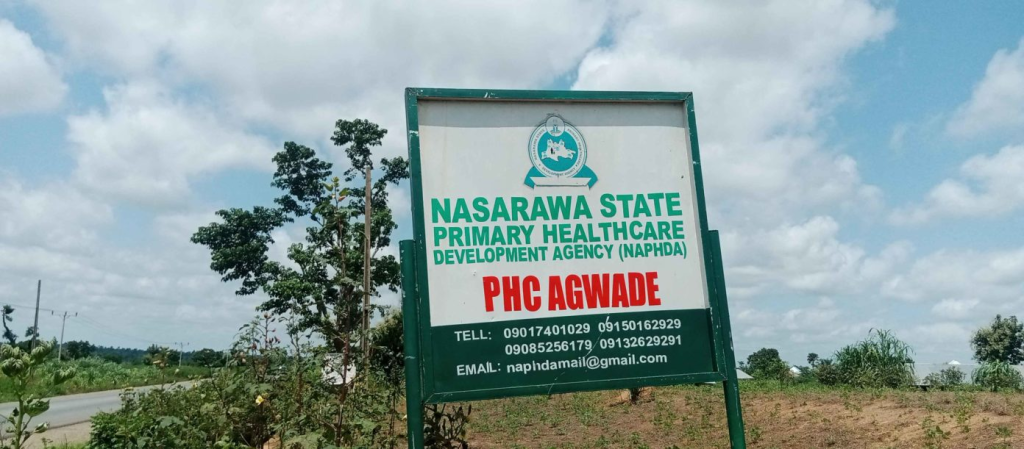
A 2022 ICIR investigation revealed dire conditions: Many of Nasarawa’s 700+ PHCs lack nurses and midwives. Until recent recruitments, fewer than 20 nurses and 30 midwives served the entire state.
This cripples programs like the Basic Health Care Provision Fund (BHCPF) and Midwives Service Scheme (MSS), aimed at reducing maternal and child deaths.
Take Salamatu Dangana, officer-in-charge at Shafan Kwotto PHC in Toto LGA: “You met me laying my head on the table… I’ve been thinking about how I will pay my staff. Government said all services should be effective. How can they be when people are not motivated?”
This Officer-in-chsrge pays contract workers N5,000–N10,000 monthly from her pocket.
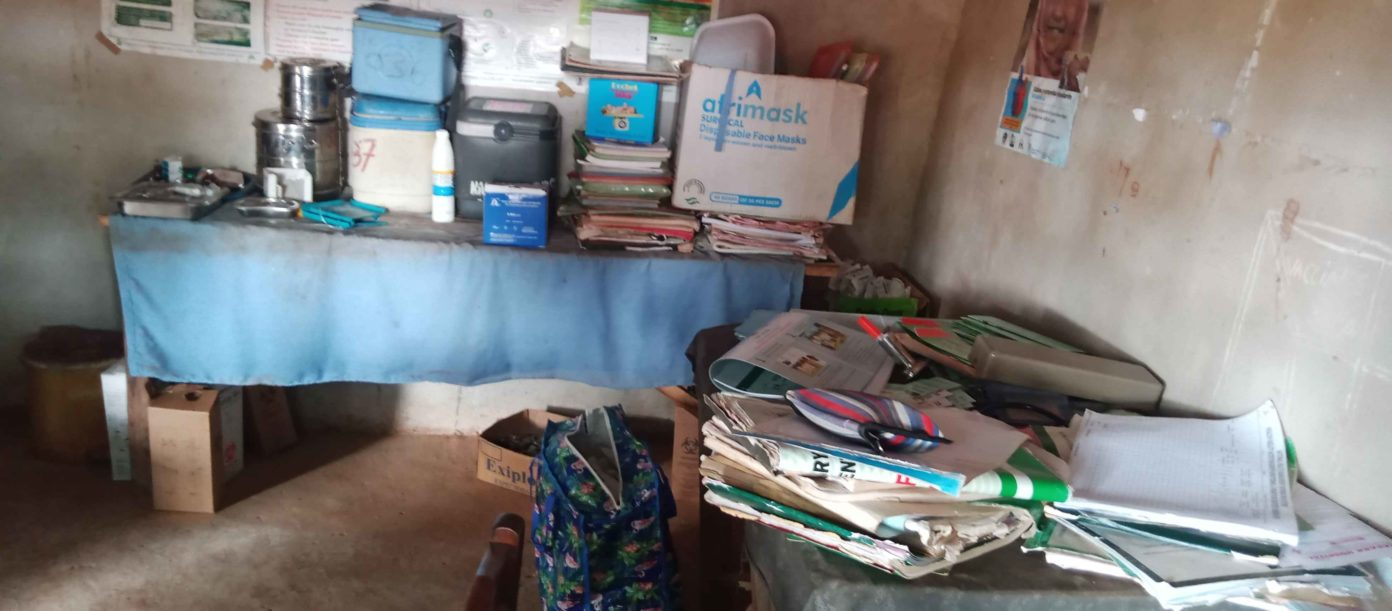
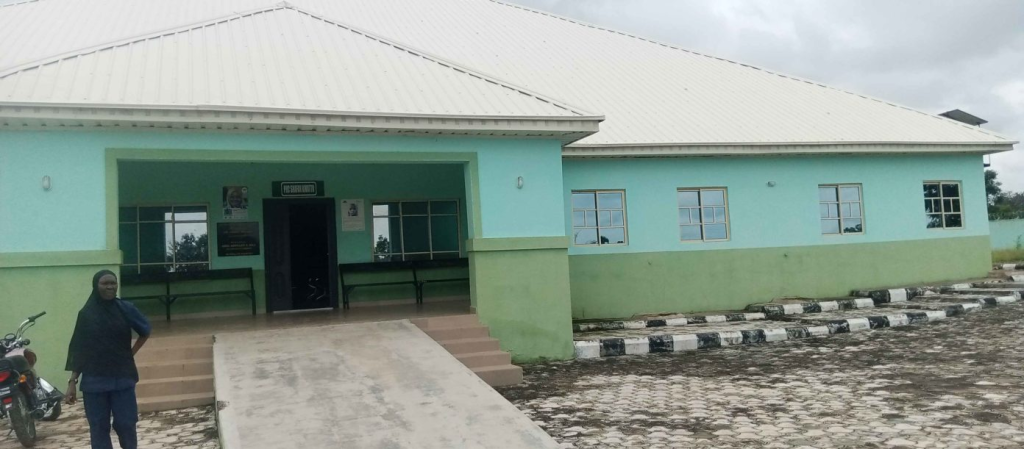
In Ashupe community, Obi LGA, Esther Anjebe runs a single-room rented clinic alone, using her own funds for tools. A government-built PHC nearby lies abandoned, overgrown with weeds – a symbol of neglect.
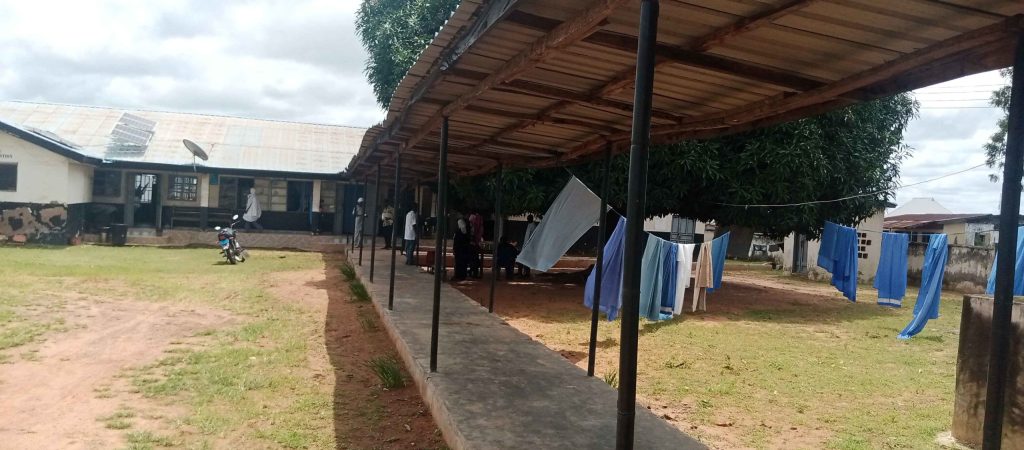
Of 17 PHCs visited by ICIR, none had a trained nurse, and eight lacked midwives. NPHCDA guidelines require four midwives/nurses per center, plus a medical officer where possible.
Tammah Shawulu, state chair of the National Association of Nigerian Nurses and Midwives, noted: “We have been having problems with human resources, which causes high maternal deaths.”
Dr. Usman Iskilu Saleh, NAPHDA Executive Secretary, highlighted understaffing, financial barriers, poor infrastructure, and governance issues in a 2025 interview. Solutions? Policy reforms, better staffing, and community enlightenment.
Borno State: Insurgency’s shadow on rural health
Created in 1976, Borno spans 69,435 sq km with a 2006 population of 4.15 million across 27 LGAs. Its rural areas, marked by savannah vegetation and seasonal extremes, have been ravaged by Boko Haram, displacing thousands and straining healthcare.
In Fariya village, elderly resident Baba Aji Fariya laments: “The need for a hospital has increased, but not even a dispensary exists.”
A cholera outbreak this year claimed lives due to impassable roads to the nearest hospital in Dalaram, 2-3 km away. Pregnant women suffer most, with delays proving fatal.
Yafalmata Grema shared a heartbreaking story: A neighbor’s 10-year-old son died from a fever without local aid. “This loss could have been prevented.”
Kiribiri community, with 5,000 residents, lacks schools, hospitals, power, and roads. Health emergencies mean risky trips to Muna. Resident Tahiru Kiribiri calls out unfulfilled election promises: “What is the essence of electing leaders?”
Yazara Mai Modu adds: “Most commercial drivers refuse to come… For someone in labour, an hour is too long to wait.”
Governor Babagana Zulum’s response? In 2025, he announced a 100 per cent salary hike for rural doctors and 40 per cent for nurses/midwives starting January 1, aiming to attract staff.
“Human resources for health is one of our nightmares,” he said during inspections in Gubio and Magumeri.
Jigawa State: Signs of progress amid ongoing struggles
Formed in 1991 from Kano State, Jigawa covers 22,410 sq km, bordered by Kano, Bauchi, Yobe, Katsina, and Niger Republic. Rural healthcare here shows improvement, thanks to recent investments.
In August 2025, Governor Umar Namadi’s administration overhauled 200 ward-level facilities, adding solar power, water systems, fencing, security, and furnished midwives’ quarters. Dr. Shehu Sambo, JSPHCDA Executive Secretary, called it a “major push” for rural access.
By December 2025, efforts scaled up routine immunization, maternal care, and child health, engaging traditional leaders for community buy-in.
Dr. Kabiru Ibrahim emphasized: “We’re prioritizing rural women and children where access remains limited.”
Despite gains, challenges persist, mirroring national issues like manpower shortages and poor infrastructure.
Broader challenges and innovative models for rural healthcare in Nigeria
Nationwide, rural healthcare is hampered by maldistributed workers, inadequate facilities, and poverty. National health plans since independence highlight these gaps, with rural areas lacking “instruments of labor.”
To turn the tide, there is need for the government to consider these models which include:
- Safety Net Model: Combines health insurance, education, and infrastructure to redistribute income, enable investments, manage risks, and support growth.
- Cash Transfer Model: Provides direct aid to boost incomes for vulnerable households, including family health allowances for chronic illnesses.
- Conditional Cash Transfer Model: Ties payments to behaviors like child HIV care, ensuring targeted impact.
- Drug Fee Waiver Exemption Model: Offers free care and drugs for HIV, TB, and other diseases, easing financial burdens.
- Network Delivery Model: Delivers discreet services via coded systems for stigmatized conditions, with online payments.
- Rural Finance/Credit Model: Mobilizes savings, insurance, and credit to empower rural dwellers economically, enabling better health access.
A call to action: Rethinking rural development
Rural Nigeria’s primary healthcare crisis demands urgent reform. By prioritizing infrastructure, staffing, and equitable policies, we can reduce disparities and save lives.
Governors like Zulum and Namadi show progress is possible and now, federal and local governments must follow.
