

• Home
  • Agric
  • Sci & Tech
  • Health
  • Environment
  • Hausa News
  • More
    • Business/Banking & Finance
    • Politics/Elections
    • Entertainments & Sports
    • International
    • Investigation
    • Law & Human Rights
    • Africa
    • ACCOUNTABILITY/CORRUPTION
    • Hassan Gimba
    • Column
    • Prof. Jibrin Ibrahim
    • Prof. M.K. Othman
    • Defense/Security
    • Education
    • Energy/Electricity
    • Entertainment/Arts & Sports
    • Society and Lifestyle
    • Food & Agriculture
    • Health & Healthy Living
    • International News
    • Interviews
    • Investigation/Fact-Check
    • Judiciary/Legislature/Law & Human Rights
    • Oil & Gas/Mineral Resources
    • Press Freedom/Media/PR/Journalism
    • General News
    • Presidency
  • About Us
    • Contact Us
    • Board Of Advisory
    • Privacy Policy
    • Ethics Policy
    • Teamwork And Collaboration Policy
    • Fact-Checking Policy
    • Advertising
  • Media OutReach Newswire
    • Wire News
  • The Stories
Facebook Twitter Instagram
Trending
  • [VIEWPOINT] Why FG Should halt the persecution of Ozekhome, By Echika Ejido
  • Taraba: NAPTIP intercepts trafficker with 10 children
  • FG empowers 40 cooperatives with farm inputs in Yobe
  • PenCom launches online platform
  • Katsina to host 3,750 housing units, aquaculture project financed by COSMOS
  • Sokoto gov signs 2026 appropriation bill into law
  • Minister calls for strengthened collaboration to protect Gashaka-Gumti national park
  • Bus crash En route to Bayelsa deputy gov burial leaves 2 dead
Facebook Twitter Instagram YouTube
AsheNewsAsheNews
  • Home
  • Agric

    FG empowers 40 cooperatives with farm inputs in Yobe

    January 30, 2026

    Katsina to host 3,750 housing units, aquaculture project financed by COSMOS

    January 30, 2026

    ActionAid empowers 12,000 FCT farmers with agroecology skills

    January 30, 2026

    FAO: How Tanzania’s vaccination campaign is driving Africa closer to pest eradication

    January 29, 2026

    Kenya to host Gulfood360 Africa

    January 29, 2026
  • Sci & Tech

    Nigeria, KOICA partner to drive digital transformation in public service

    January 30, 2026

    NDPC leads Abuja roadshow to promote data protection awareness

    January 30, 2026

    NOTAP backs Nigerian developers to $1m sales

    January 29, 2026

    NIEEE, NDPC move to embed privacy in engineering projects

    January 29, 2026

    NCC clamps down on telcos with N12.4bn penalties over QoS breaches

    January 28, 2026
  • Health

    Bus crash En route to Bayelsa deputy gov burial leaves 2 dead

    January 30, 2026

    Awka south chairman urges grassroots sensitization ahead of measles-rubella vaccination

    January 30, 2026

    Plateau integrates NTD prevention into school health programme

    January 30, 2026

    Niger sustains NTD elimination drive as 11 suspected Buruli ulcer cases emerge

    January 30, 2026

    Fidson Healthcare records huge performance in 2025

    January 30, 2026
  • Environment

    Minister calls for strengthened collaboration to protect Gashaka-Gumti national park

    January 30, 2026

    Tudun Biri resettlement signals shift to structured post-conflict recovery — NEMA

    January 30, 2026

    Low awareness fuels spread of neglected tropical diseases — Stakeholders

    January 30, 2026

    Group urges NAFDAC to sustain enforcement of sachet alcohol ban

    January 30, 2026

    MTN, Lagos govt partner on Obalende bus park redevelopment

    January 30, 2026
  • Hausa News

    Anti-quackery task force seals 4 fake hospitals in Rivers

    August 29, 2025

    [BIDIYO] Yadda na lashe gasa ta duniya a fannin Ingilishi – Rukayya ‘yar shekara 17

    August 6, 2025

    A Saka Baki, A Sasanta Saɓani Tsakanin ‘Yanjarida Da Liman, Daga Muhammad Sajo

    May 21, 2025

    Dan majalisa ya raba kayan miliyoyi a Funtuwa da Dandume

    March 18, 2025

    [VIDIYO] Fassarar mafalki akan aikin Hajji

    January 6, 2025
  • More
    1. Business/Banking & Finance
    2. Politics/Elections
    3. Entertainments & Sports
    4. International
    5. Investigation
    6. Law & Human Rights
    7. Africa
    8. ACCOUNTABILITY/CORRUPTION
    9. Hassan Gimba
    10. Column
    11. Prof. Jibrin Ibrahim
    12. Prof. M.K. Othman
    13. Defense/Security
    14. Education
    15. Energy/Electricity
    16. Entertainment/Arts & Sports
    17. Society and Lifestyle
    18. Food & Agriculture
    19. Health & Healthy Living
    20. International News
    21. Interviews
    22. Investigation/Fact-Check
    23. Judiciary/Legislature/Law & Human Rights
    24. Oil & Gas/Mineral Resources
    25. Press Freedom/Media/PR/Journalism
    26. General News
    27. Presidency
    Featured
    Recent

    [VIEWPOINT] Why FG Should halt the persecution of Ozekhome, By Echika Ejido

    January 30, 2026

    Taraba: NAPTIP intercepts trafficker with 10 children

    January 30, 2026

    FG empowers 40 cooperatives with farm inputs in Yobe

    January 30, 2026
  • About Us
    1. Contact Us
    2. Board Of Advisory
    3. Privacy Policy
    4. Ethics Policy
    5. Teamwork And Collaboration Policy
    6. Fact-Checking Policy
    7. Advertising
    Featured
    Recent

    [VIEWPOINT] Why FG Should halt the persecution of Ozekhome, By Echika Ejido

    January 30, 2026

    Taraba: NAPTIP intercepts trafficker with 10 children

    January 30, 2026

    FG empowers 40 cooperatives with farm inputs in Yobe

    January 30, 2026
  • Media OutReach Newswire
    • Wire News
  • The Stories
AsheNewsAsheNews
Home»Food & Agriculture»Study shows climate-smart feeding systems can transform Tanzania’s beef sector
Food & Agriculture

Study shows climate-smart feeding systems can transform Tanzania’s beef sector

NewsdeskBy NewsdeskDecember 10, 2025Updated:December 10, 2025No Comments4 Mins Read
Livestock
Livestock
Share
Facebook Twitter LinkedIn Pinterest Email

A new multi-institutional study has shown that combining locally formulated concentrate feeds with feedlot management can substantially increase beef production while sharply reducing methane emissions in Tanzania.

The findings provide fresh evidence that improved feeding systems could play a central role in shaping a more climate-smart livestock sector.

The research — conducted by the International Livestock Research Institute (ILRI), Tanzania’s Ministry of Livestock and Fisheries, Sokoine University of Agriculture, and Aarhus University — charts a practical pathway for boosting productivity and lowering emissions at scale.

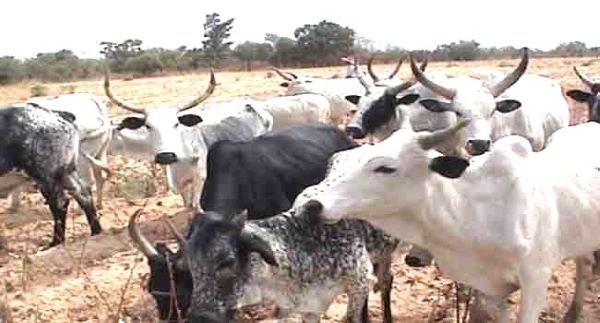
The Animal Performance and Methane Emissions in Feedlot vs. Traditional Pastoral Systems with Concentrate Supplementation for Tanzanian Short Horn Zebu and Boran cattle study examined how different feeding regimes influenced growth performance and enteric methane output in two commonly kept cattle breeds — the indigenous Tanzanian Short Horn Zebu (TSHZ) and the larger-framed Boran.

The experiment, carried out at Kongwa Ranch in central Tanzania, assigned 60 Boran and 60 TSHZ steers to one of five dietary regimes for 100 days: grazing only; grazing plus 50% concentrate; and three ad libitum hay-based diets supplemented with 60%, 80%, or 100% concentrate.

Methane emissions were estimated using the 2019 revision of the Intergovernmental Panel on Climate Change (IPCC) guidelines and used to calculate emission intensity — grams of methane per kilogram of weight gain.

The results were compelling. Concentrate supplementation raised average daily weight gain (ADG) by roughly 6% to 33% depending on diet and breed, while daily methane production fell by 3% to 35% compared to cattle on grazing-only systems.

Among the treatments, the highest concentrate diet (100% concentrate, no grazing) delivered the lowest emission intensity: methane emissions per kg of weight gained dropped from about 396 g CH₄/kg for grazing-only animals to just 87 g CH₄/kg under full concentrate feedlot conditions.

On a per-animal per-day basis, breed differences were modest — Boran cattle emitted slightly more methane per day than TSHZ, likely due to their larger size and higher feed intake (127 vs. 114 g CH₄/day). But because Boran steers also gained weight faster (738 vs. 626 g/day), the methane emitted per kilogram of meat produced ultimately balanced out.

Overall, shifting from traditional grazing to feedlot systems supplemented with locally sourced concentrates reduced total methane emissions per day by 28–65% and cut methane intensity (per kg of meat) by nearly 80%.

The implications are significant. Tanzania has one of Africa’s largest cattle herds, yet traditional pastoral systems — dependent on seasonal, low-quality forage — produce slow-growing animals that generate higher greenhouse gas emissions per kilogram of meat. With domestic beef demand rising due to population growth and higher incomes, the need to produce more meat from existing land while containing emissions is becoming urgent.

By demonstrating that feedlotting with affordable, readily available feeds (such as maize meal, cottonseed cake, molasses, mineral mix, salt and urea) can deliver faster growth and dramatically lower methane intensity, the study points to an accessible “low-hanging fruit” for producers and policymakers.

According to the authors, improved feeding is not just about boosting weight gain — it is a “powerful lever for both productivity and climate goals.” Faster growth shortens the number of days an animal spends emitting methane before reaching market weight, increasing beef output per unit of emissions.

However, the researchers emphasize that scaling up feedlot systems will require dependable access to feed inputs — particularly crop by-products — along with careful attention to costs and supply chains.

Looking ahead, the research team plans to validate the results under real-world farming conditions. Upcoming work will use direct methane-measurement technologies — including individual-animal methane sensors and drone-based group-level monitoring developed at ILRI — to test how closely the IPCC-based estimates match actual field emissions.

Tanzania
Share. Facebook Twitter Pinterest LinkedIn WhatsApp Reddit Tumblr Email
Newsdesk
  • Website

Related Posts

FG empowers 40 cooperatives with farm inputs in Yobe

January 30, 2026

Katsina to host 3,750 housing units, aquaculture project financed by COSMOS

January 30, 2026

ActionAid empowers 12,000 FCT farmers with agroecology skills

January 30, 2026

Leave A Reply Cancel Reply

[VIEWPOINT] Why FG Should halt the persecution of Ozekhome, By Echika Ejido

January 30, 2026

Taraba: NAPTIP intercepts trafficker with 10 children

January 30, 2026

FG empowers 40 cooperatives with farm inputs in Yobe

January 30, 2026

PenCom launches online platform

January 30, 2026
About Us
About Us

ASHENEWS (AsheNewsDaily.com), published by PenPlus Online Media Publishers, is an independent online newspaper. We report development news, especially on Agriculture, Science, Health and Environment as they affect the under-reported rural and urban poor.

We also conduct investigations, especially in the areas of ASHE, as well as other general interests, including corruption, human rights, illicit financial flows, and politics.

Contact Info:
  • 1st floor, Dogon Daji House, No. 5, Maiduguri Road, Sokoto
  • +234(0)7031140009
  • ashenewsdaily@gmail.com
Facebook Twitter Instagram Pinterest
© 2026 All Rights Reserved. ASHENEWS Daily Designed & Managed By DeedsTech

Type above and press Enter to search. Press Esc to cancel.