

• Home
  • Agric
  • Sci & Tech
  • Health
  • Environment
  • Hausa News
  • More
    • Business/Banking & Finance
    • Politics/Elections
    • Entertainments & Sports
    • International
    • Investigation
    • Law & Human Rights
    • Africa
    • ACCOUNTABILITY/CORRUPTION
    • Hassan Gimba
    • Column
    • Prof. Jibrin Ibrahim
    • Prof. M.K. Othman
    • Defense/Security
    • Education
    • Energy/Electricity
    • Entertainment/Arts & Sports
    • Society and Lifestyle
    • Food & Agriculture
    • Health & Healthy Living
    • International News
    • Interviews
    • Investigation/Fact-Check
    • Judiciary/Legislature/Law & Human Rights
    • Oil & Gas/Mineral Resources
    • Press Freedom/Media/PR/Journalism
    • General News
    • Presidency
  • About Us
    • Contact Us
    • Board Of Advisory
    • Privacy Policy
    • Ethics Policy
    • Teamwork And Collaboration Policy
    • Fact-Checking Policy
    • Advertising
  • Media OutReach Newswire
    • Wire News
  • The Stories
Facebook Twitter Instagram
Trending
  • Nigeria bears highest sickle cell burden, experts warn
  • Education, agriculture programmes free at UNILESA
  • Sokoto–Badagry highway gets Senate approval
  • Ebonyi targets low-immunisation LGAs
  • LG unveils smart dehumidifier for homes, hospitals
  • FX reserves projected at $51.04bn target despite Middle East turmoil, By Hope Moses-Ashike 
  • Senate confirms Yuguda as CBN deputy governor
  • Veterinarians urged to join Nigeria’s public health planning
Facebook Twitter Instagram YouTube
AsheNewsAsheNews
  • Home
  • Agric

    Nigeria loses 24m tonnes of topsoil annually, govt warns

    April 29, 2026

    World agriculture forum inaugurates Nigeria Country council

    April 28, 2026

    U.S. revives GSM-102 credit scheme to deepen agricultural trade with Nigeria

    April 27, 2026

    Poultry farmers seek increased financing to boost production

    April 27, 2026

    Malnutrition: FG rolls out community food bank programme in Northeast

    April 27, 2026
  • Sci & Tech

    Oyedele calls for tech upgrades to boost Nigeria’s growth

    April 29, 2026

    Australian scientists turn plastic waste into clean fuel using sunlight

    April 29, 2026

    Emir Sanusi urges universities to lead AI policy formulation

    April 29, 2026

    Artemis II: Space exploration, and the question of African future, By Prof. M. K. Othman

    April 28, 2026

    Nigeria needs unified cybersecurity – Expert warns

    April 27, 2026
  • Health

    Nigeria bears highest sickle cell burden, experts warn

    April 29, 2026

    Ebonyi targets low-immunisation LGAs

    April 29, 2026

    Enugu intensifies fight against malaria

    April 29, 2026

    Stigma, denial drive HIV rise in Kano

    April 29, 2026

    Kano commences 2026 Africa vaccination week

    April 28, 2026
  • Environment

    Veterinarians urged to join Nigeria’s public health planning

    April 29, 2026

    Nigeria adopts 2026–2035 national nutrition policy

    April 29, 2026

    CTV audience grows over 300% to 8m viewers on GOtv

    April 27, 2026

    Yobe council approves N59.8bn for project, infrastructure

    April 27, 2026

    Rainstorm damages homes, school in Kaduna

    April 27, 2026
  • Hausa News

    Otti plans 250-room 5-star hotel in Umuahia

    April 11, 2026

    Anti-quackery task force seals 4 fake hospitals in Rivers

    August 29, 2025

    [BIDIYO] Yadda na lashe gasa ta duniya a fannin Ingilishi – Rukayya ‘yar shekara 17

    August 6, 2025

    A Saka Baki, A Sasanta Saɓani Tsakanin ‘Yanjarida Da Liman, Daga Muhammad Sajo

    May 21, 2025

    Dan majalisa ya raba kayan miliyoyi a Funtuwa da Dandume

    March 18, 2025
  • More
    1. Business/Banking & Finance
    2. Politics/Elections
    3. Entertainments & Sports
    4. International
    5. Investigation
    6. Law & Human Rights
    7. Africa
    8. ACCOUNTABILITY/CORRUPTION
    9. Hassan Gimba
    10. Column
    11. Prof. Jibrin Ibrahim
    12. Prof. M.K. Othman
    13. Defense/Security
    14. Education
    15. Energy/Electricity
    16. Entertainment/Arts & Sports
    17. Society and Lifestyle
    18. Food & Agriculture
    19. Health & Healthy Living
    20. International News
    21. Interviews
    22. Investigation/Fact-Check
    23. Judiciary/Legislature/Law & Human Rights
    24. Oil & Gas/Mineral Resources
    25. Press Freedom/Media/PR/Journalism
    26. General News
    27. Presidency
    Featured
    Recent

    Nigeria bears highest sickle cell burden, experts warn

    April 29, 2026

    Education, agriculture programmes free at UNILESA

    April 29, 2026

    Sokoto–Badagry highway gets Senate approval

    April 29, 2026
  • About Us
    1. Contact Us
    2. Board Of Advisory
    3. Privacy Policy
    4. Ethics Policy
    5. Teamwork And Collaboration Policy
    6. Fact-Checking Policy
    7. Advertising
    Featured
    Recent

    Nigeria bears highest sickle cell burden, experts warn

    April 29, 2026

    Education, agriculture programmes free at UNILESA

    April 29, 2026

    Sokoto–Badagry highway gets Senate approval

    April 29, 2026
  • Media OutReach Newswire
    • Wire News
  • The Stories
AsheNewsAsheNews
Home»Health & Healthy Living»WHO warns NCDs are Africa’s growing development threat
Health & Healthy Living

WHO warns NCDs are Africa’s growing development threat

NewsdeskBy NewsdeskNovember 24, 2025Updated:November 24, 2025No Comments5 Mins Read
WHO
Share
Facebook Twitter LinkedIn Pinterest Email

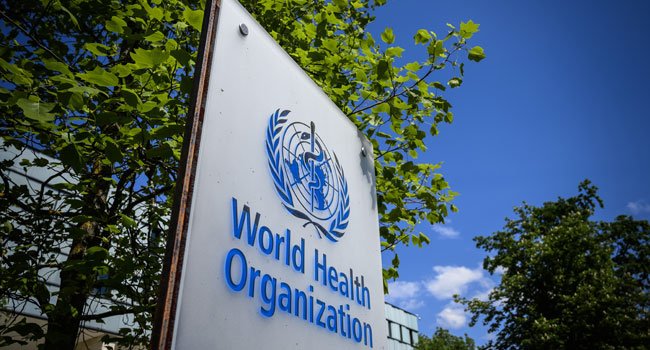
The World Health Organization (WHO) has warned that Non-Communicable Diseases (NCDs) are among Africa’s greatest development threats, with deaths rising steadily and health systems increasingly overstretched across the continent.

WHO Regional Director for Africa, Prof. Mohamed Janabi, issued the warning on Monday in Abuja during the 10th anniversary of the West African Institute of Public Health (WAIPH) and its 2025 conference.

The conference, themed “Digital Innovation and Shared Leadership for Africa’s NCDs Response,” focused on leveraging technology and collaboration to address the continent’s expanding NCD burden and strengthen regional health systems.

In his keynote address, titled “The Silent Epidemic: How NCDs are Threatening Africa’s Development,” Janabi said NCDs were advancing rapidly and were projected to overtake communicable, maternal, neonatal and nutrition-related diseases by 2030.

“This is a silent epidemic affecting individuals, families, economies and health systems across Africa, yet the story of NCDs often remains hidden in clinic records, household finances and preventable premature deaths,” he said.

Janabi said NCDs accounted for 35.4 per cent of all deaths in Africa in 2021, up from 21 per cent in 2000, with cardiovascular diseases, cancers, diabetes, respiratory diseases and mental health conditions driving the surge.

He highlighted the enormous economic toll, noting that productivity losses linked to NCDs now exceeded one trillion dollars annually, burdening governments, households and the private sector and slowing sustainable development across the continent.

“Every one dollar invested in NCD prevention yields seven dollars in benefits through reduced medical costs and increased productivity, yet productivity loss from NCDs is 38 times higher than current spending,” he said.

Janabi added that health expenditure on NCDs in Africa remained below 30 billion dollars annually, with less than half coming from domestic sources, leaving countries vulnerable to fluctuating external funding and jeopardizing long-term programme sustainability.

He called for stronger primary healthcare, increased domestic financing, robust surveillance systems, improved access to essential medicines and integrated, people-centred care to reduce mortality and improve NCD outcomes.

Janabi noted that Africa had made policy progress and reported advances in cervical cancer elimination, with 32 countries now introducing the HPV vaccine to curb morbidity and mortality.

WAIPH Director-General, Dr. Francis Ohayindo, said climate change was driving both communicable and non-communicable diseases, altering disease patterns and worsening health outcomes across Nigeria and the West African region.

He said rising temperatures increased skin cancer risks, particularly among light-skinned individuals and people who bleach their skin, while shifting climatic conditions were enabling mosquitoes and other vectors to migrate into new areas.

Ohayindo said Nigerians were facing rising risks of hypertension, diabetes and stroke due to lifestyle factors, economic hardship and limited access to preventive care, compounding the national NCD burden.

He emphasized the need for stronger technological integration, noting that digital reminders for medication adherence and health education messages could make “the difference between life and death” for many patients.

“Technology improves understanding of disease conditions, helps people monitor their health and supports early interventions that strengthen preventive care and reduce avoidable complications,” he said.

Dr. Alinon Kokou, Regional Director, Africa CDC, Western Africa Regional Coordinating Centre, said the agency had prioritized digital innovation and NCD response in its continental strategy.

Represented by Senior Technical Officer Chioma Dan-Nwafor, Kokou said Africa CDC had developed a digital health innovation framework to strengthen healthcare delivery and digital infrastructure across the continent.

“With dwindling external funding, we must look inward; domestic financing is the future. Strengthening national contributions is critical to sustaining interventions, reducing reliance on external support and improving health system resilience,” he said.

He added that the regional centre had begun mapping stakeholders to build partnerships, mobilize resources and support digitization, health security and capacity-building across member states.

Dr. Virgil Lokossou, Director of Health Care Services at the West African Health Organization (WAHO), said the agency was partnering with WAIPH to support capacity-building and strengthen public health programmes in the region.

“It is a privilege to continue this journey together. Strengthening collective networks allows us to achieve stronger population impact and ensures that people receive accurate guidance from public health experts,” he said.

Mr. Ademuyiwa Damilola, Director of Programmes at the Legislative Initiative for Sustainable Development (LISDEL), said digital innovations were essential to improving screening, advocacy, service delivery and patient tracking for better NCD outcomes in Nigeria.

He added that Nigeria had the capacity to adopt innovations, but stronger political will, coherent policy frameworks and coordinated platforms were needed to effectively harness youth, the private sector and partnerships.

Dr. Osita Okonkwo, Country Director, Nutrition International, said nutrition remained a major driver of the NCD burden, with widespread micronutrient deficiencies worsening health outcomes across Nigeria and Africa.

He cited deficiencies in vitamins A and B as particularly concerning and noted that government investments in nutrition remained low despite the high return on investment.

“Where you put one dollar, you get 23 dollars in return, but most nutrition interventions are still funded out-of-pocket, leaving vulnerable populations at risk of NCDs and poor developmental outcomes.

“No child should go to bed hungry. No pregnant woman should lack adequate nourishment. Government must prioritize nutrition interventions to reverse worsening indicators and reduce NCD-related morbidity and mortality,” he said.

digital innovation NCDs WAIPH WHO
Share. Facebook Twitter Pinterest LinkedIn WhatsApp Reddit Tumblr Email
Newsdesk
  • Website

Related Posts

Nigeria bears highest sickle cell burden, experts warn

April 29, 2026

Ebonyi targets low-immunisation LGAs

April 29, 2026

Enugu intensifies fight against malaria

April 29, 2026

Leave A Reply Cancel Reply

Nigeria bears highest sickle cell burden, experts warn

April 29, 2026

Education, agriculture programmes free at UNILESA

April 29, 2026

Sokoto–Badagry highway gets Senate approval

April 29, 2026

Ebonyi targets low-immunisation LGAs

April 29, 2026
About Us
About Us

ASHENEWS (AsheNewsDaily.com), published by PenPlus Online Media Publishers, is an independent online newspaper. We report development news, especially on Agriculture, Science, Health and Environment as they affect the under-reported rural and urban poor.

We also conduct investigations, especially in the areas of ASHE, as well as other general interests, including corruption, human rights, illicit financial flows, and politics.

Contact Info:
  • 1st floor, Dogon Daji House, No. 5, Maiduguri Road, Sokoto
  • +234(0)7031140009
  • ashenewsdaily@gmail.com
Facebook Twitter Instagram Pinterest
© 2026 All Rights Reserved. ASHENEWS Daily Designed & Managed By DeedsTech

Type above and press Enter to search. Press Esc to cancel.