

• Home
  • Agric
  • Sci & Tech
  • Health
  • Environment
  • Hausa News
  • More
    • Business/Banking & Finance
    • POLITICS
    • Entertainments & Sports
    • International
    • Investigation
    • Law & Human Rights
    • Africa
    • ACCOUNTABILITY/CORRUPTION
    • Hassan Gimba
    • Column
    • Prof. Jibrin Ibrahim
    • Prof. M.K. Othman
    • Defense/Security
    • Education
    • Energy/Electricity
    • Entertainment/Arts & Sports
    • Society and Lifestyle
    • Food & Agriculture
    • Health & Healthy Living
    • International News
    • Interviews
    • Investigation/Fact-Check
    • LAW & HUMAN RIGHTS
    • Oil & Gas/Mineral Resources
    • PRESS FREEDOM/JOURNALISM/PR
    • General News
    • Presidency
  • About Us
    • Contact Us
    • Board Of Advisory
    • Privacy Policy
    • Ethics Policy
    • Teamwork And Collaboration Policy
    • Fact-Checking Policy
    • Advertising
  • Media OutReach Newswire
    • Wire News
  • The Stories
Facebook Twitter Instagram
Trending
  • Why small businesses hold the key to Africa’s next economic transformation, By Dr. Fakunle Aremu
  • Zamfara targets 2,000 jobs as $200m lithium processing plant is unveiled
  • AFEMSON renews call for urgent action against preterm births in Nigeria
  • Nonye urges Nigerians to embrace natural foods for healthy living
  • NHRC records 287 human rights violations in Gombe in 6 months
  • Aproko Doctor: Locust beans boost heart health, overall well-being
  • Naira outlook brightens as rising reserves, FX reforms boost investor confidence
  • Banned chemicals continue to endanger environmental health in the Middle East, North Africa
Facebook Twitter Instagram YouTube
AsheNewsAsheNews
  • Home
  • Agric

    Nonye urges Nigerians to embrace natural foods for healthy living

    July 13, 2026

    Gov Otti warns Abia farmers to register for input support

    July 11, 2026

    AFAN in Ogun dismisses impostors parading as executives

    July 11, 2026

    BOA launches 2026 wet season input distribution in Katsina

    July 11, 2026

    From scarcity to scale: What Africa can learn from India’s agricultural transformation, by Alice Ruhweza and Dr Purvi Mehta

    July 10, 2026
  • Sci & Tech

    Nigeria debates shutting South African businesses over Xenophobic attacks

    July 13, 2026

    Nigeria’s food service industry hits $11.09bn in 2025 – Moniepoint

    July 10, 2026

    Academy of medical sciences condemns maternal mortality, epidemic risks

    July 9, 2026

    NCC advances transparent pricing for fibre sharing

    July 8, 2026

    IHVN, partners launch Lassa fever research to support vaccine development in Bauchi

    July 8, 2026
  • Health

    AFEMSON renews call for urgent action against preterm births in Nigeria

    July 13, 2026

    NHRC records 287 human rights violations in Gombe in 6 months

    July 13, 2026

    Aproko Doctor: Locust beans boost heart health, overall well-being

    July 13, 2026

    Banned chemicals continue to endanger environmental health in the Middle East, North Africa

    July 13, 2026

    HIV-positive peer educator in FCT fights stigma through personal story

    July 13, 2026
  • Environment

    Zamfara targets 2,000 jobs as $200m lithium processing plant is unveiled

    July 13, 2026

    Cross River gov visits flood, landslide victims in Calabar, consoles bereaved family

    July 13, 2026

    Federal govt suspends proposed increase in WASSCE, NECO exam fees

    July 13, 2026

    Ibeju-Lekki chairman tours flooded areas, promises swift intervention

    July 13, 2026

    LASTMA captures 38,000 vehicles for traffic offences in Q2 2026

    July 12, 2026
  • Hausa News

    UNA signs MoU to launch air Bissau in Guinea-Bissau

    June 15, 2026

    Otti plans 250-room 5-star hotel in Umuahia

    April 11, 2026

    Anti-quackery task force seals 4 fake hospitals in Rivers

    August 29, 2025

    [BIDIYO] Yadda na lashe gasa ta duniya a fannin Ingilishi – Rukayya ‘yar shekara 17

    August 6, 2025

    A Saka Baki, A Sasanta Saɓani Tsakanin ‘Yanjarida Da Liman, Daga Muhammad Sajo

    May 21, 2025
  • More
    1. Business/Banking & Finance
    2. POLITICS
    3. Entertainments & Sports
    4. International
    5. Investigation
    6. Law & Human Rights
    7. Africa
    8. ACCOUNTABILITY/CORRUPTION
    9. Hassan Gimba
    10. Column
    11. Prof. Jibrin Ibrahim
    12. Prof. M.K. Othman
    13. Defense/Security
    14. Education
    15. Energy/Electricity
    16. Entertainment/Arts & Sports
    17. Society and Lifestyle
    18. Food & Agriculture
    19. Health & Healthy Living
    20. International News
    21. Interviews
    22. Investigation/Fact-Check
    23. LAW & HUMAN RIGHTS
    24. Oil & Gas/Mineral Resources
    25. PRESS FREEDOM/JOURNALISM/PR
    26. General News
    27. Presidency
    Featured
    Recent

    Why small businesses hold the key to Africa’s next economic transformation, By Dr. Fakunle Aremu

    July 13, 2026

    Zamfara targets 2,000 jobs as $200m lithium processing plant is unveiled

    July 13, 2026

    AFEMSON renews call for urgent action against preterm births in Nigeria

    July 13, 2026
  • About Us
    1. Contact Us
    2. Board Of Advisory
    3. Privacy Policy
    4. Ethics Policy
    5. Teamwork And Collaboration Policy
    6. Fact-Checking Policy
    7. Advertising
    Featured
    Recent

    Why small businesses hold the key to Africa’s next economic transformation, By Dr. Fakunle Aremu

    July 13, 2026

    Zamfara targets 2,000 jobs as $200m lithium processing plant is unveiled

    July 13, 2026

    AFEMSON renews call for urgent action against preterm births in Nigeria

    July 13, 2026
  • Media OutReach Newswire
    • Wire News
  • The Stories
AsheNewsAsheNews
Home»Health & Healthy Living»Assessing Nigeria’s health system 5 years after COVID-19
Health & Healthy Living

Assessing Nigeria’s health system 5 years after COVID-19

EditorBy EditorJanuary 17, 2025Updated:January 17, 2025No Comments3 Mins Read
COVID-19
Share
Facebook Twitter LinkedIn Pinterest Email

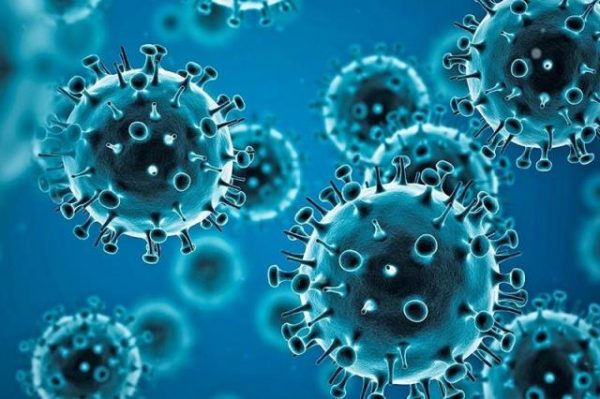
Five years ago, the COVID-19 pandemic swept across Nigeria, exposing weaknesses in the health system while also sparking resilience and innovation. Healthcare workers, journalists, virologists, laboratory scientists, and environmental health experts played key roles in the collective fight against the pandemic.

By Abujah Racheal

Today, the experiences and lessons learned during the pandemic continue to guide Nigeria’s efforts to build a safer, healthier future.

When COVID-19 reached Nigeria in February 2020, the response was swift but severely strained.

Nationwide lockdowns were imposed, borders closed, and isolation and testing centres established.

Yet, gaps in infrastructure, inadequate medical supplies, and limited testing capacity presented enormous challenges. In spite of these struggles, Nigeria achieved notable milestones.

Molecular laboratories for COVID-19 testing were established in record time, expanding from a handful to over 120 nationwide by mid-2021.

The Nigeria Centre for Disease Control (NCDC) spearheaded efforts in contact tracing and public risk communication, keeping communities informed and engaged.

Dr Emmanuel Johnson, a frontline healthcare worker in Lagos, recalled the immense pressure in the early days.

“The pandemic tested our limits but showed how quickly we could adapt,” he said.

Virologists were instrumental in combating the virus as Genomic sequencing helped identify variants like Delta and Omicron, thereby shaping public health strategies.

Prof. Christian Happi, Director of the African Centre of Excellence for Genomics of Infectious Diseases (ACEGID), noted, “Genomic surveillance became our compass for guiding interventions and vaccine strategies”.

Laboratory scientists like Dr Ifeanyi Eze worked to ensure accurate testing, strengthening Nigeria’s diagnostic capabilities for other diseases.

Environmental health officers also played a role, ensuring public spaces were sanitised and safe.

“Proper sanitation and waste management were critical during the pandemic,” said Mr Tunde Akintola, an environmental health officer.

Journalists tackled misinformation alongside the virus.

According to Mrs Juliana Taiwo-Obalonye, Editor at The Sun, “Journalists were a critical bridge between the public and health authorities, promoting vaccination campaigns and addressing conspiracy theories”.

Grassroots efforts were crucial, with community leaders countering misinformation and faith-based groups distributing masks, sanitisers, and food during lockdowns.

Public health expert Dr Aisha Bello said, “The pandemic showed that trust and collaboration at the grassroots level are essential for effective health interventions”.

However, vaccine production remains a challenge.

With the establishment of Biovaccines Nigeria Limited, the country has yet to manufacture COVID-19 or other vaccines.

Stakeholders cite funding constraints, limited technology transfer, and a lack of skilled personnel.

Prof. Oyewale Tomori, a virologist, stressed, “Relying on global supply chains leaves Nigeria vulnerable. Local vaccine production is non-negotiable for pandemic preparedness”.

The pandemic revealed the importance of investing in primary healthcare, disease surveillance, and interdisciplinary collaboration among healthcare professionals, scientists, and policymakers.

Vaccine hesitancy, unequal resource distribution, and misinformation continue to hinder progress.

In comparison to South Africa and Rwanda, which leveraged stronger health systems for mass testing and vaccinations, Nigeria’s response was commendable but could have been more effective.

Learning from these examples requires increased investment in health infrastructure and improved governance.

Globally, the pandemic has sparked discussions on preparedness.

Dr Tedros Adhanom Ghebreyesus, Director-General of the World Health Organisation (WHO), recently said, “The world is both more prepared and less prepared for the next pandemic. Transparency and cooperation are key”.

As Nigeria reflects on the pandemic’s lessons, stakeholders emphasise the need to prioritise local vaccine production, strengthen health infrastructure, and promote interdisciplinary collaboration.

The resilience and determination of Nigerians remain the country’s greatest assets in building a healthier future. 

NANFeatures

COVID-19 Nigeria
Share. Facebook Twitter Pinterest LinkedIn WhatsApp Reddit Tumblr Email
Editor
  • Website

Related Posts

AFEMSON renews call for urgent action against preterm births in Nigeria

July 13, 2026

NHRC records 287 human rights violations in Gombe in 6 months

July 13, 2026

Aproko Doctor: Locust beans boost heart health, overall well-being

July 13, 2026

Leave A Reply Cancel Reply

Why small businesses hold the key to Africa’s next economic transformation, By Dr. Fakunle Aremu

July 13, 2026

Zamfara targets 2,000 jobs as $200m lithium processing plant is unveiled

July 13, 2026

AFEMSON renews call for urgent action against preterm births in Nigeria

July 13, 2026

Nonye urges Nigerians to embrace natural foods for healthy living

July 13, 2026
About Us
About Us

ASHENEWS (AsheNewsDaily.com), published by PenPlus Online Media Publishers, is an independent online newspaper. We report development news, especially on Agriculture, Science, Health and Environment as they affect the under-reported rural and urban poor.

We also conduct investigations, especially in the areas of ASHE, as well as other general interests, including corruption, human rights, illicit financial flows, and politics.

Contact Info:
  • 1st floor, Dogon Daji House, No. 5, Maiduguri Road, Sokoto
  • +234(0)7031140009
  • ashenewsdaily@gmail.com
Facebook Twitter Instagram Pinterest
© 2026 All Rights Reserved. ASHENEWS Daily Designed & Managed By DeedsTech

Type above and press Enter to search. Press Esc to cancel.