

• Home
  • Agric
  • Sci & Tech
  • Health
  • Environment
  • Hausa News
  • More
    • Business/Banking & Finance
    • POLITICS
    • Entertainments & Sports
    • International
    • Investigation
    • Law & Human Rights
    • Africa
    • ACCOUNTABILITY/CORRUPTION
    • Hassan Gimba
    • Column
    • Prof. Jibrin Ibrahim
    • Prof. M.K. Othman
    • Defense/Security
    • Education
    • Energy/Electricity
    • Entertainment/Arts & Sports
    • Society and Lifestyle
    • Food & Agriculture
    • Health & Healthy Living
    • International News
    • Interviews
    • Investigation/Fact-Check
    • LAW & HUMAN RIGHTS
    • Oil & Gas/Mineral Resources
    • PRESS FREEDOM/JOURNALISM/PR
    • General News
    • Presidency
  • About Us
    • Contact Us
    • Board Of Advisory
    • Privacy Policy
    • Ethics Policy
    • Teamwork And Collaboration Policy
    • Fact-Checking Policy
    • Advertising
  • Media OutReach Newswire
    • Wire News
  • The Stories
Facebook Twitter Instagram
Trending
  • Two Straits, One Storm: Yemen, Iran, and the Unfinished Arithmetic of Adventurism
  • Gynaecologist seeks stronger primary healthcare to cut maternal deaths
  • Beyond the dance: Lessons from Osun 2026 for Nigeria 2027, by Prof. M.K. Othman
  • Bwari riders decry motorcycle theft, seizures
  • SDNON felicitates with member over appointment as head of media directorate for Delta NDC guber campaign
  • States spend N35bn on flood, erosion control
  • Of caps, marabouts and politics of envy, by Hassan Gimba
  • FG scraps data charges for students on approved educational platforms
Facebook Twitter Instagram YouTube
AsheNewsAsheNews
  • Home
  • Agric

    Who is policing the poison in Nigeria’s food chain?

    September 12, 2026

    NASC, PIND sign seed partnership

    September 12, 2026

    Women farmers call for investment in value-added agriculture

    September 11, 2026

    Women farmers laud SAA rice program in Jigawa

    September 11, 2026

    Poultry industry key to food security, jobs – PAN official

    September 10, 2026
  • Sci & Tech

    Nigeria urged to mainstream election tech

    September 11, 2026

    Biotech key to Nigeria’s food security, experts say

    September 10, 2026

    Australia to let users switch off social media algorithms

    September 9, 2026

    Africa contributes less than 1% of dementia research despite projected 348% rise in West Africa – Maina

    September 9, 2026

    Nigeria must stop consuming foreign neuroscience knowledge, NSN president says

    September 9, 2026
  • Health

    Gynaecologist seeks stronger primary healthcare to cut maternal deaths

    September 13, 2026

    BRICON urges cancer survivors to embrace life

    September 13, 2026

    Doctor urges Nigerians to prevent illness

    September 12, 2026

    Kaduna begins diphtheria vaccination

    September 12, 2026

    JDPCI calls for disability inclusion

    September 12, 2026
  • Environment

    Bwari riders decry motorcycle theft, seizures

    September 13, 2026

    States spend N35bn on flood, erosion control

    September 13, 2026

    Lagos moves beyond dumpsites

    September 12, 2026

    LASCOPA, NDLEA partner on drug abuse

    September 12, 2026

    RDI urges action to save Okun Alfa

    September 12, 2026
  • Hausa News

    UNA signs MoU to launch air Bissau in Guinea-Bissau

    June 15, 2026

    Otti plans 250-room 5-star hotel in Umuahia

    April 11, 2026

    Anti-quackery task force seals 4 fake hospitals in Rivers

    August 29, 2025

    [BIDIYO] Yadda na lashe gasa ta duniya a fannin Ingilishi – Rukayya ‘yar shekara 17

    August 6, 2025

    A Saka Baki, A Sasanta Saɓani Tsakanin ‘Yanjarida Da Liman, Daga Muhammad Sajo

    May 21, 2025
  • More
    1. Business/Banking & Finance
    2. POLITICS
    3. Entertainments & Sports
    4. International
    5. Investigation
    6. Law & Human Rights
    7. Africa
    8. ACCOUNTABILITY/CORRUPTION
    9. Hassan Gimba
    10. Column
    11. Prof. Jibrin Ibrahim
    12. Prof. M.K. Othman
    13. Defense/Security
    14. Education
    15. Energy/Electricity
    16. Entertainment/Arts & Sports
    17. Society and Lifestyle
    18. Food & Agriculture
    19. Health & Healthy Living
    20. International News
    21. Interviews
    22. Investigation/Fact-Check
    23. LAW & HUMAN RIGHTS
    24. Oil & Gas/Mineral Resources
    25. PRESS FREEDOM/JOURNALISM/PR
    26. General News
    27. Presidency
    Featured
    Recent

    Two Straits, One Storm: Yemen, Iran, and the Unfinished Arithmetic of Adventurism

    September 13, 2026

    Gynaecologist seeks stronger primary healthcare to cut maternal deaths

    September 13, 2026

    Beyond the dance: Lessons from Osun 2026 for Nigeria 2027, by Prof. M.K. Othman

    September 13, 2026
  • About Us
    1. Contact Us
    2. Board Of Advisory
    3. Privacy Policy
    4. Ethics Policy
    5. Teamwork And Collaboration Policy
    6. Fact-Checking Policy
    7. Advertising
    Featured
    Recent

    Two Straits, One Storm: Yemen, Iran, and the Unfinished Arithmetic of Adventurism

    September 13, 2026

    Gynaecologist seeks stronger primary healthcare to cut maternal deaths

    September 13, 2026

    Beyond the dance: Lessons from Osun 2026 for Nigeria 2027, by Prof. M.K. Othman

    September 13, 2026
  • Media OutReach Newswire
    • Wire News
  • The Stories
AsheNewsAsheNews
Home»Food & Agriculture»Fishing for Market Opportunities in Nigeria
Food & Agriculture

Fishing for Market Opportunities in Nigeria

Abdallah el-KurebeBy Abdallah el-KurebeMay 1, 2018No Comments5 Mins Read
Share
Facebook Twitter LinkedIn Pinterest Email

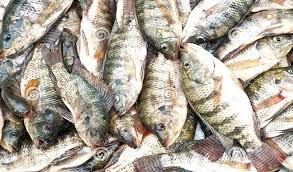
Fish farming is a huge industry in Nigeria, but smallholder farmers face several obstacles. Elisa Burrows, Partnership Manager at Fintrac, writes how offering financing for them can open up a world of opportunities.

In the Kano and Sagamu regions of Nigeria, suitable water resources and high market demand mean that aquaculture presents a profitable opportunity for smallholder farmers to expand their farming activities.

Yet few farmers take advantage of this opportunity because they lack the technical knowledge fish farming requires and because there are few hatcheries that supply fish to small-scale farmers.

To help change this, Chi Farms, a Nigeria-based livestock and aquaculture business, is working with smallholder farmers – primarily women – to develop this business opportunity.

The market opportunity for fish farming in Nigeria is huge. Nigerians consume nearly 2 million tons of fish per year, and the country’s growing population ensures demand will continue to boom. Demand far outweighs current national production, making it necessary to import fish from all over the world.

However, in recent years the price of imported fish has increased significantly because of the devaluation of the Nigerian naira. Even though fish is a key ingredient in many Nigerian dishes and an important and efficiently produced source of protein (for every kilogram of fish feed, a kilogram of fish is produced), only half the fish consumed by Nigerians is sourced locally.

To increase local production, Chi Farms is partnering with Feed the Future Partnering for Innovation, a Fintrac-implemented USAID program that invests in private sector partnerships to commercialize agricultural innovations in smallholder markets, to increase Chi Farms’ capacity to supply fish to farmers and build teams of aquaculture specialists to provide extension services.

Access to newly hatched fish, or fingerlings, in small quantities is a significant constraint to small-scale farmers interested in aquaculture. Commercial hatcheries are not common in Nigeria, and those that are established typically produce fingerlings to grow to consumption size or for sale to large-scale fish farms.

Chi Farms is targeting Segamu and Kano as priority regions because the consumption of fish among households is high but access to fresh fish is low; fish here is mostly sold as dried or processed. There are no large hatcheries, so farmers interested in raising fish buy fingerlings in the local markets, which are often of low quality and prone to disease.

Furthermore, these small-scale farmers often lack access to feed and resign to feeding their fish waste from other farm production, such as rice or maize husks. This feed does not provide proper nutrition, resulting in lower yields and smaller fish.

Chi Farms is building two new hatcheries in Segamu and Kano that will supply quantities of 1,000 fingerlings to small-scale fish farmers. Additionally, Chi Farms will sell high-quality fish feed from its existing feed mill in Segamu, packaging it in appropriate sizes for small-scale farms. The feed is designed to provide fish with proper nutrition at every stage of growth, resulting in faster-growing fish ready for sale in shorter timeframes.

Each hatchery will produce 1 million fingerlings per year, and will provide access in previously underserved geographical areas. Fish farming results in a high-value product that can be produced in a small area with just a few ponds, which makes it very appealing to women, who often have trouble accessing land.

In Segamu, Chi Farms has organized 500 farmers, 68 percent of whom are women, to receive training and inputs for successful fish raising, and the company is recruiting an additional 500 farmers in Kano.

To help farmers with little to no experience with aquaculture build successful aquaculture businesses, Chi Farms’ client focus teams – which consist of university-educated aquaculture specialists – train farmers in topics that include good aquaculture practices as well as financial management and farming as a business.

Client focus teams also help more experienced fish farmers set up demonstration ponds that will serve to educate other farmers in their community in good aquaculture practices and show the business potential of fish farming.

Lack of financing is one of the largest obstacles small-scale farmers face, especially women who rarely have the financial history needed to qualify for loans. Understanding that access to finance and purchasing quality inputs are critical to success, Chi Farms partnered with Women’s World Banking to facilitate access to financing for its farmers.

Women’s World Banking advised on a number of financing models that work well for smallholder farmers, some of which Chi Farms is currently testing. In many models Chi Farms acts as a guaranteed buyer, which provides the financing partner more confidence the loan will be repaid.

Using the loans to purchase quality fingerlings and feed from Chi Farms, while simultaneously receiving technical support from the client focus teams, is enabling farmers to produce high-quality catfish for both home consumption and for sale back to Chi Farms.

Chi Farms sells the whole fish to national retailers, restaurants, and hotel chains, and has started to process some of the fish into new product lines for trial sales at urban retailers.

Fish farming represents a major market opportunity for smallholder farmers in Nigeria, and Chi Farms is helping farmers, especially women, take advantage of it to build sustainable, long-term sources of income.

By providing farmers with inputs, education in aquaculture best practices, and technical support throughout the production cycle, Chi Farms is helping support small business growth for women. And by facilitating financial access and market linkage Chi Farms is building a sustainable aquaculture sector in Nigeria. Culled from FarmingFirst

This post originally appeared in the March edition of WFO’s Farmletter.

Chi Farms Farming First Fintrac Fish
Share. Facebook Twitter Pinterest LinkedIn WhatsApp Reddit Tumblr Email
Abdallah el-Kurebe
  • Website
  • Facebook
  • Twitter
  • LinkedIn

Related Posts

Who is policing the poison in Nigeria’s food chain?

September 12, 2026

NASC, PIND sign seed partnership

September 12, 2026

Women farmers call for investment in value-added agriculture

September 11, 2026

Leave A Reply Cancel Reply

Two Straits, One Storm: Yemen, Iran, and the Unfinished Arithmetic of Adventurism

September 13, 2026

Gynaecologist seeks stronger primary healthcare to cut maternal deaths

September 13, 2026

Beyond the dance: Lessons from Osun 2026 for Nigeria 2027, by Prof. M.K. Othman

September 13, 2026

Bwari riders decry motorcycle theft, seizures

September 13, 2026
About Us
About Us

ASHENEWS (AsheNewsDaily.com), published by PenPlus Online Media Publishers, is an independent online newspaper. We report development news, especially on Agriculture, Science, Health and Environment as they affect the under-reported rural and urban poor.

We also conduct investigations, especially in the areas of ASHE, as well as other general interests, including corruption, human rights, illicit financial flows, and politics.

Contact Info:
  • 1st floor, Dogon Daji House, No. 5, Maiduguri Road, Sokoto
  • +234(0)7031140009
  • ashenewsdaily@gmail.com
Facebook Twitter Instagram Pinterest
© 2026 All Rights Reserved. ASHENEWS Daily Designed & Managed By DeedsTech

Type above and press Enter to search. Press Esc to cancel.